
GNM 1st Year Anatomy & Physiology Important Questions in Hindi/English
Anatomy and Physiology Important MCQs for Nursing Exams (Hindi/English)
Question 1.
Which organ is known as the “Powerhouse of the Cell”?
(किस अंग को “कोशिका का पावरहाउस” कहा जाता है?)
A) Nucleus
B) Mitochondria
C) Ribosomes
D) Golgi apparatus
Correct Answer: B) Mitochondria
Rationale (व्याख्या):
Mitochondria: Isko ‘Powerhouse’ isliye kehte hain kyunki ye ATP (Energy) banata hai jo cell ke kaam karne ke liye zaroori hai.
Nucleus: Ye cell ka ‘Brain’ hota hai jo saari activities control karta hai.
Ribosomes: Ye protein banane ka kaam karte hain.
Golgi apparatus: Ye proteins ko pack karke transport karne ka kaam karta hai. #Bexyhub #NursingNots
Question 2.
What is the total number of bones in an adult human body?
(एक वयस्क मानव शरीर में हड्डियों की कुल संख्या कितनी होती है?)
A) 206
B) 306
C) 270
D) 106
Correct Answer: A) 206
Rationale (व्याख्या):
206 Bones: Ek adult insaan mein 206 haddiya hoti hain.
306/270: Jab bacha paida hota hai, tab usme lagbhag 270 se 300 haddiya hoti hain, jo bade hone par aapas mein jud jaati hain.
Humaari sabse lambi haddi (Longest bone) Femur (thigh bone) hoti hai.#Bexyhub #NursingNots
Question 3.
Which part of the blood is responsible for clotting?
(रक्त का कौन सा भाग थक्का जमाने (clotting) के लिए जिम्मेदार है?)
A) Red Blood Cells (RBC)
B) White Blood Cells (WBC)
C) Platelets
D) Plasma
Correct Answer: C) Platelets
Rationale (व्याख्या):
Platelets: Jab hamein chot lagti hai, toh platelets khoon ko behne se rokne ke liye ‘clot’ (thakka) banate hain.
RBC: Ye oxygen ko poore sharir mein pahunchate hain.
WBC: Ye humein bimariyon aur infections se ladne mein madad karte hain.
Plasma: Ye khoon ka liquid part hota hai jo nutrients aur hormones carry karta hai.#Bexyhub #NursingNots
Question 4.
The “Master Gland” of the human body is?
(मानव शरीर की “मास्टर ग्रंथि” कौन सी है?)
A) Thyroid Gland
B) Pancreas
C) Pituitary Gland
D) Adrenal Gland
Correct Answer: C) Pituitary Gland
Rationale (व्याख्या):
Pituitary Gland: Isko ‘Master Gland’ isliye kehte hain kyunki ye baki saari glands (jaise Thyroid, Adrenal) ko control karti hai. Ye dimaag ke niche hoti hai.
Thyroid: Ye hamare metabolism ko control karti hai.
Pancreas: Ye insulin banati hai jo sugar level maintain karta hai.
Adrenal: Ye emergency situation (Darr ya gussa) mein kaam aati hai. GNM 1st Year Anatomy & Physiology Important Questions in Hindi/English
Q4. What is the total number of bones in a newborn baby?
(एक नवजात शिशु में हड्डियों की कुल संख्या कितनी होती है?)
A) 206
B) 270 to 300
C) 350
D) 210
Correct Answer: B) 270 to 300
Rationale:
Janam ke samay bache mein lagbhag 300 haddiyan hoti hain. Jaise-jaise bacha bada hota hai, ye haddiyan aapas mein jud jati hain aur ant mein sirf 206 reh jati hain.#Bexyhub #NursingNots
Q5. Which instrument is used to measure blood pressure?
(रक्तचाप मापने के लिए किस उपकरण का उपयोग किया जाता है?)
A) Stethoscope
B) Thermometer
C) Sphygmomanometer
D) Glucometer
Correct Answer: C) Sphygmomanometer
Rationale:
BP check karne wali machine ko Sphygmomanometer kehte hain. Stethoscope se dil ki dhadkan suni jati hai aur Thermometer se bukhar (temperature) check hota hai.
Q6. Which part of the eye is donated during eye donation?
(नेत्रदान के दौरान आँख के किस भाग का दान किया जाता है?)
A) Retina
B) Lens
C) Cornea
D) Iris
Correct Answer: C) Cornea
Rationale:
Aankh ki sabse bahari transparent parat (layer) ko Cornea kehte hain. Netradaan mein sirf isi part ko badla jata hai jisse roshni wapas aa sakti hai.GNM 1st Year Anatomy & Physiology Important Questions in Hindi/English
Q7. What is the Master Gland of the human body?
(मानव शरीर की मास्टर ग्रंथि कौन सी है?)
A) Thyroid Gland
B) Adrenal Gland
C) Pituitary Gland (पीयूष ग्रंथि)
D) Pancreas
Correct Answer: C) Pituitary Gland
Rationale:
Ise ‘Master Gland’ isiliye kehte hain kyunki ye sharir ki baki sabhi hormones wali glands ko control karti hai aur brain ke niche hoti hai.#Bexyhub #NursingNots
Q8. Which blood group is known as the ‘Universal Donor’?
(किस ब्लड ग्रुप को ‘यूनिवर्सल डोनर’ (सर्वदाता) कहा जाता है?)
A) AB+
B) O-
C) A+
D) B-
Correct Answer: B) O-
Rationale:
O- blood group wala vyakti kisi bhi dusre blood group ke insan ko khoon de sakta hai kyunki isme koi antigen nahi hota jo reaction kare.
Q9. Which vitamin helps in blood clotting?
(कौन सा विटामिन रक्त का थक्का जमने में मदद करता है?)
A) Vitamin A
B) Vitamin K
C) Vitamin E
D) Vitamin D
Correct Answer: B) Vitamin K
Rationale:
Chot lagne par khoon behne se rokne ke liye Vitamin K bahut zaroori hai. Iski kami se chot lagne par khoon rukta nahi hai.
Q10. How many ribs are present in the human body?
(मानव शरीर में कितनी पसलियां मौजूद होती हैं?)
A) 12
B) 24
C) 10
D) 36
Correct Answer: B) 24 (12 pairs)
Rationale:
Insaan ke seene mein 12 jodi (total 24) pasliyan hoti hain jo dil aur phephdon ko suraksha deti hain.
Q11. What is the structural and functional unit of the Kidney?
(किडनी की संरचनात्मक और कार्यात्मक इकाई क्या है?)
A) Neuron
B) Nephron
C) Alveoli
D) Cell
Correct Answer: B) Nephron
Rationale:
Kidney ke andar lakhon chote-chote filters hote hain jinhe Nephron kehte hain. Yehi khoon ko saaf karne ka asli kaam karte hain. (Neuron dimaag ki unit hoti hai).#Bexyhub #NursingNots
Q12. What is the largest muscle in the human body?
(मानव शरीर की सबसे बड़ी मांसपेशी कौन सी है?)
A) Sartorius
B) Gluteus Maximus
C) Stapedius
D) Biceps
Correct Answer: B) Gluteus Maximus
Rationale:
Ye muscle humare hips (nitamb) mein hoti hai aur sharir ko seedha khada rakhne aur chalne mein sabse zyada madad karti hai.
Q13. Which hormone is known as the “Fight or Flight” hormone?
(किस हार्मोन को “लड़ो या उड़ो” हार्मोन के रूप में जाना जाता है?)
A) Insulin
B) Adrenaline
C) Thyroxine
D) Estrogen
Correct Answer: B) Adrenaline
Rationale:
Jab hum darte hain ya gusse mein hote hain, toh Adrenaline hormone nikalta hai jo dimaag ko emergency ke liye taiyar karta hai.
Q14. What is the normal heart rate of an adult human?
(एक वयस्क मानव की सामान्य हृदय गति क्या है?)
A) 60-100 beats per minute
B) 120-140 beats per minute
C) 40-50 beats per minute
D) 100-120 beats per minute
Correct Answer: A) 60-100 beats per minute
Rationale
Ek swasth insan ka dil ek minute mein average 72 baar dhadakta hai, lekin 60 se 100 ki range ko normal mana jata hai.#Bexyhub #NursingNots
Q15. Which is the longest bone in the human body?
(मानव शरीर की सबसे लंबी हड्डी कौन सी है?)
A) Humerus
B) Tibia
C) Femur
D) Fibula
Correct Answer: C) Femur
Rationale:
Femur humare jangh (thigh) ki haddi hoti hai. Ye na sirf sabse lambi hai balki sharir ki sabse mazboot haddi bhi hai.
Q16. What is the power house of the cell?
(कोशिका का पावर हाउस किसे कहा जाता है?)
A) Nucleus
B) Mitochondria
C) Ribosomes
D) Golgi Bodies
Correct Answer: B) Mitochondria
Rationale:
Mitochondria ke andar hi cell ki energy (ATP) banti hai, isliye ise energy banane wala factory ya power house kehte hain.#Bexyhub #NursingNots
Q17. Which organ is affected in Jaundice?
(पीलिया (Jaundice) में कौन सा अंग प्रभावित होता है?)
A) Heart
B) Kidney
C) Liver
D) Lungs
Correct Answer: C) Liver
Rationale:
Piliya hone par liver khoon mein ‘Bilirubin’ ko filter nahi kar pata, jis wajah se sharir aur aankhein pili pad jati hain.
Q18. How many vertebrae are there in the adult human spine?
(वयस्क मानव की रीढ़ की हड्डी में कितने कशेरुक (vertebrae) होते हैं?)
A) 26
B) 33
C) 20
D) 30
Correct Answer: A) 26
Rationale:
Bachpan mein spine mein 33 choti haddiyan hoti hain, lekin bade hone par niche ki haddiyan jud jati hain aur adult mein sirf 26 bachti hain.
Q19. Which vitamin is found in citrus fruits like Lemons and Oranges?
(नींबू और संतरे जैसे खट्टे फलों में कौन सा विटामिन पाया जाता है?)
A) Vitamin A
B) Vitamin B
C) Vitamin C
D) Vitamin K
Correct Answer: C) Vitamin C
Rationale:
Khatte falon mein ‘Ascorbic Acid’ yaani Vitamin C hota hai, jo immunity badhane aur ghaav bharne mein madad karta hai.#Bexyhub #NursingNots
Q20. What is the main gas involved in respiration in humans?
(मानव श्वसन में शामिल मुख्य गैस कौन सी है?)
A) Nitrogen
B) Carbon Dioxide
C) Oxygen
D) Hydrogen
Correct Answer: C) Oxygen
Rationale:
Hum saans lete waqt Oxygen andar lete hain jo cells tak jati hai, aur Carbon Dioxide bahar nikalte hain.
Q21. Which is the largest gland in the human body?
(मानव शरीर की सबसे बड़ी ग्रंथि कौन सी है?)
A) Pancreas
B) Liver
C) Thyroid
D) Adrenal
Correct Answer: B) Liver
Rationale:
Liver (यकृत) शरीर की सबसे बड़ी ग्रंथि है। यह पित्त (Bile) बनाती है और शरीर से जहरीले पदार्थों को बाहर निकालने में मदद करती है।GNM 1st Year Anatomy & Physiology Important Questions in Hindi/English
Q22. What is the normal respiration rate of a healthy adult?
(एक स्वस्थ वयस्क की सामान्य श्वसन दर क्या है?)
A) 12-20 breaths per minute
B) 20-30 breaths per minute
C) 8-10 breaths per minute
D) 30-40 breaths per minute
Correct Answer: A) 12-20 breaths per minute
Rationale:
एक सामान्य इंसान एक मिनट में 12 से 20 बार सांस लेता है। अगर यह 12 से कम हो तो इसे ‘Bradypnea’ और 20 से ज्यादा हो तो ‘Tachypnea’ कहते हैं।#Bexyhub #NursingNots
Q23. Which part of the brain controls body temperature?
(मस्तिष्क का कौन सा भाग शरीर के तापमान को नियंत्रित करता है?)
A) Cerebrum
B) Thalamus
C) Hypothalamus
D) Medulla
Correct Answer: C) Hypothalamus
Rationale:
Hypothalamus को शरीर का “Thermostat” कहा जाता है क्योंकि यह भूख, प्यास और शरीर के तापमान को कंट्रोल करता है।
Q24. In which part of the digestive system is water mostly absorbed?
(पाचन तंत्र के किस भाग में पानी का अवशोषण सबसे अधिक होता है?)
A) Stomach
B) Small Intestine
C) Large Intestine
D) Esophagus
Correct Answer: C) Large Intestine
Rationale:
बड़ी आंत (Large Intestine) का मुख्य काम अपचित भोजन से पानी और इलेक्ट्रोलाइट्स को सोखना है।#Bexyhub #NursingNots
Q25. What is the functional unit of the Lungs?
(फेफड़ों की कार्यात्मक इकाई क्या है?)
A) Nephron
B) Neuron
C) Alveoli
D) Pleura
Correct Answer: C) Alveoli
Rationale:
Alveoli (वायु कोष्ठिका) छोटे गुब्बारे जैसी संरचनाएं होती हैं जहाँ ऑक्सीजन और कार्बन डाइऑक्साइड का आदान-प्रदान होता है।
Q26. Which blood cells are responsible for immunity?
(कौन सी रक्त कोशिकाएं प्रतिरक्षा के लिए जिम्मेदार हैं?)
A) RBC
B) WBC
C) Platelets
D) Plasma
Correct Answer: B) WBC (White Blood Cells)
Rationale:
सफेद रक्त कोशिकाएं (WBC) शरीर के ‘सैनिक’ की तरह काम करती हैं और इन्फेक्शन व बीमारियों से लड़ती हैं।
Q27. Deficiency of Iodine causes which disease?
(आयोडीन की कमी से कौन सा रोग होता है?)
A) Scurvy
B) Rickets
C) Goitre (घेंघा)
D) Anemia
Correct Answer: C) Goitre
Rationale:
आयोडीन की कमी से गले की थायरॉयड ग्रंथि बढ़ जाती है, जिसे घेंघा रोग कहा जाता है।#Bexyhub #NursingNots
Q28. What is the total number of muscles in the human body?
(मानव शरीर में मांसपेशियों की कुल संख्या कितनी है?)
A) 206
B) 500
C) 639 (Approximately)
D) 700
Correct Answer: C) 639 (Approximately)
Rationale:
मानव शरीर में लगभग 639 मांसपेशियां होती हैं जो हिलने-डुलने और काम करने में मदद करती हैं।GNM 1st Year Anatomy & Physiology Important Questions in Hindi/English
Q29. Insulin is secreted by which organ?
(इंसुलिन किस अंग द्वारा स्रावित होता है?)
A) Liver
B) Pancreas
C) Kidney
D) Spleen
Correct Answer: B) Pancreas (अग्नाशय)
Rationale:
अग्नाशय की ‘Islets of Langerhans’ की बीटा कोशिकाएं इंसुलिन बनाती हैं, जो ब्लड शुगर को कंट्रोल करता है।
Q30. What is the life span of Platelets?
(प्लेटलेट्स का जीवनकाल कितना होता है?)
A) 120 days
B) 7 to 10 days
C) 20 days
D) 2 days
Correct Answer: B) 7 to 10 days
Rationale:
प्लेटलेट्स का काम खून का थक्का जमाना है और इनका जीवनकाल बहुत छोटा (लगभग एक हफ्ता) होता है।
Q31. Which organ is known as the “Pumping Station” of the body?
(शरीर का “पंपिंग स्टेशन” किसे कहा जाता है?)
A) Lungs
B) Brain
C) Heart
D) Kidney
Correct Answer: C) Heart
Rationale:
हृदय पूरे शरीर में खून को पंप करने का काम करता है, जिससे ऑक्सीजन हर अंग तक पहुँचती है।#Bexyhub #NursingNots
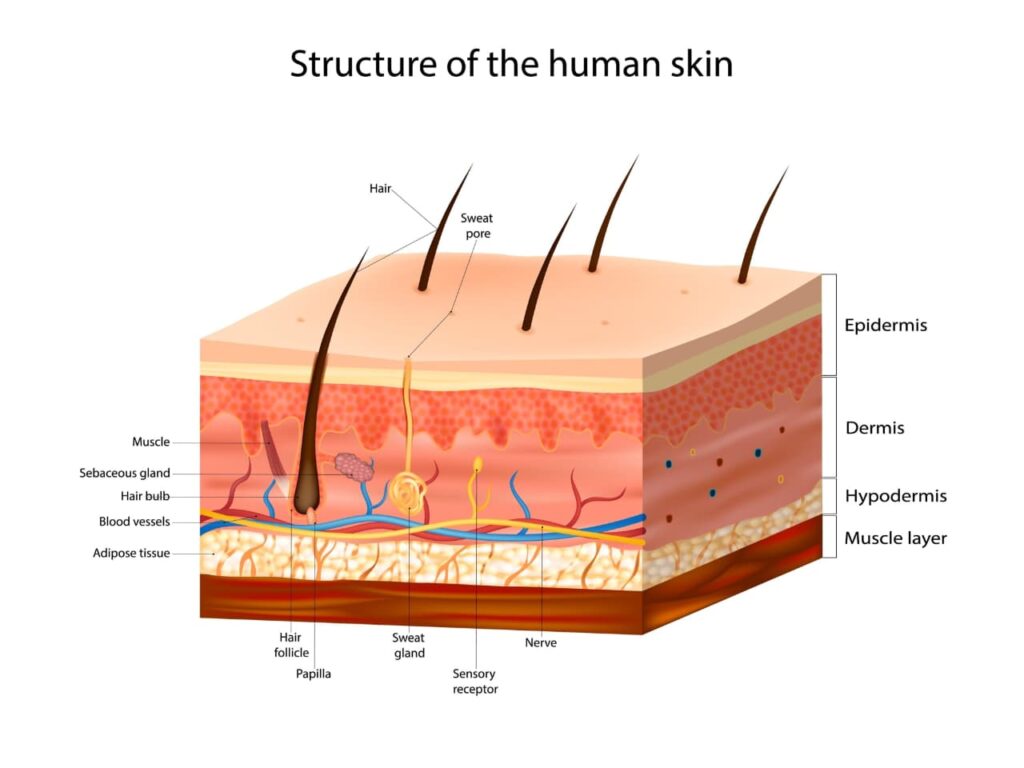
Q32. How many layers are there in the skin?
(त्वचा में कितनी परतें होती हैं?)
A) 1
B) 2
C) 3
D) 4
Correct Answer: C) 3
Rationale:
त्वचा की मुख्य तीन परतें होती हैं: Epidermis (सबसे ऊपरी), Dermis (बीच की) और Hypodermis (सबसे नीचे)।
Q33. Which bone is called the “Collar Bone”?
(किस हड्डी को “कॉलर बोन” कहा जाता है?)
A) Scapula
B) Clavicle
C) Sternum
D) Radius
Correct Answer: B) Clavicle
Rationale:
कंधे के पास वाली लंबी पतली हड्डी को Clavicle या कॉलर बोन कहते हैं।#Bexyhub #NursingNots
Q34. What is the normal pH of Urine?
(मूत्र का सामान्य pH क्या होता है?)
A) 7.4
B) 6.0 (Average)
C) 8.5
D) 4.0
Correct Answer: B) 6.0 (Average)
Rationale:
पेशाब का pH हल्का अम्लीय (Acidic) होता है, जिसकी औसत वैल्यू 6.0 होती है।
Q35. Which vitamin is known as Retinol?
(किस विटामिन को रेटिनोल के नाम से जाना जाता है?)
A) Vitamin B
B) Vitamin A
C) Vitamin D
D) Vitamin E
Correct Answer: B) Vitamin A
Rationale: विटामिन A का रासायनिक नाम रेटिनोल है। इसकी कमी से रतौंधी (Night Blindness) होती है।
Q36. What is the main function of the Large Intestine?
(बड़ी आंत का मुख्य कार्य क्या है?)
A) Protein digestion
B) Fat absorption
C) Water absorption
D) Bile storage
Correct Answer: C) Water absorption
Rationale:
बड़ी आंत भोजन से पानी सोखकर मल (Stool) बनाने का काम करती है।#Bexyhub #NursingNots
Q37. How many lobes are there in the Right Lung?
(दाएं फेफड़े में कितने लोब होते हैं?)
A) 2
B) 3
C) 4
D) 1
Correct Answer: B) 3
Rationale:
दाएं फेफड़े में 3 लोब होते हैं, जबकि बाएं फेफड़े में हृदय के लिए जगह होने के कारण केवल 2 लोब होते हैं।
Q38. Which is the longest nerve in the human body?
(मानव शरीर की सबसे लंबी तंत्रिका कौन सी है?)
A) Optic nerve
B) Sciatic nerve
C) Vagus nerve
D) Ulnar nerve
Correct Answer: B) Sciatic nerve
Rationale:
Sciatic nerve कमर के निचले हिस्से से शुरू होकर पैरों के नीचे तक जाती है।
Q39. Where is the smallest muscle located in the body?
(शरीर की सबसे छोटी मांसपेशी कहाँ स्थित होती है?)
A) Nose
B) Ear
C) Eye
D) Finger
Correct Answer: B) Ear
Rationale:
कान के अंदर ‘Stapedius’ नाम की सबसे छोटी मांसपेशी होती है।#Bexyhub #NursingNots
Q40. Deficiency of Iron leads to which condition?
(आयरन की कमी से कौन सी स्थिति पैदा होती है?)
A) Night Blindness
B) Anemia
C) Scurvy
D) Rickets
Correct Answer: B) Anemia (रक्तअल्पता)
Rationale:
आयरन की कमी से हीमोग्लोबिन कम हो जाता है, जिसे एनीमिया कहते हैं।
Q41. Which pigment gives color to the skin?
(त्वचा को रंग कौन सा वर्णक देता है?)
A) Hemoglobin
B) Melanin
C) Bilirubin
D) Chlorophyll
Correct Answer: B) Melanin
Rationale:
मेलेनिन की मात्रा जितनी ज्यादा होगी, त्वचा का रंग उतना ही गहरा होगा।#Bexyhub #NursingNots
Q42. How many facial bones are there in the human skull?
(मानव खोपड़ी में चेहरे की कितनी हड्डियाँ होती हैं?)
A) 8
B) 14
C) 22
D) 10
Correct Answer: B) 14
Rationale:
चेहरे की बनावट 14 हड्डियों से मिलकर होती है।
Q43. Which organ produces Bile juice?
(पित्त रस का उत्पादन कौन सा अंग करता है?)
A) Gall bladder
B) Pancreas
C) Liver
D) Stomach
Correct Answer: C) Liver
Rationale:
पित्त (Bile) लिवर में बनता है, लेकिन स्टोर ‘Gall bladder’ में होता है।
Q44. What is the name of the covering of the Heart?
(हृदय के आवरण का क्या नाम है?)
A) Pleura
B) Pericardium
C) Meninges
D) Peritoneum
Correct Answer: B) Pericardium
Rationale:
हृदय के चारों ओर की सुरक्षात्मक थैली को पेरिकार्डियम कहते हैं।
Q45. Which part of the ear helps in maintaining body balance?
(कान का कौन सा भाग शरीर का संतुलन बनाए रखने में मदद करता है?)
A) Pinna
B) Eardrum
C) Inner Ear (Semicircular canals)
D) Malleus
Correct Answer: C) Inner Ear
Rationale:
आंतरिक कान में मौजूद तरल पदार्थ और नसें शरीर का संतुलन बनाने का काम करती हैं।#Bexyhub #NursingNots
Q46. What is the normal range of fasting blood sugar?
(फास्टिंग ब्लड शुगर की सामान्य सीमा क्या है?)
A) 70-100 mg/dL
B) 140-160 mg/dL
C) 50-60 mg/dL
D) 200-220 mg/dL
Correct Answer: A) 70-100 mg/dL
Rationale:
खाली पेट शुगर की जांच करने पर 70 से 100 के बीच की वैल्यू को नॉर्मल माना जाता है।
Q47. Which electrolyte is most abundant outside the cell (Extracellular)?
(कोशिका के बाहर सबसे अधिक कौन सा इलेक्ट्रोलाइट पाया जाता है?)
A) Potassium
B) Sodium
C) Magnesium
D) Calcium
Correct Answer: B) Sodium
Rationale:
सोडियम कोशिका के बाहर (Extracellular) और पोटैशियम कोशिका के अंदर (Intracellular) मुख्य इलेक्ट्रोलाइट होता है।
Q48. The study of tissues is called?
(ऊतकों के अध्ययन को क्या कहा जाता है?)
A) Cytology
B) Histology
C) Pathology
D) Myology
Correct Answer: B) Histology
Rationale:
कोशिकाओं के अध्ययन को Cytology और ऊतकों के अध्ययन को Histology कहते हैं।#Bexyhub #NursingNots
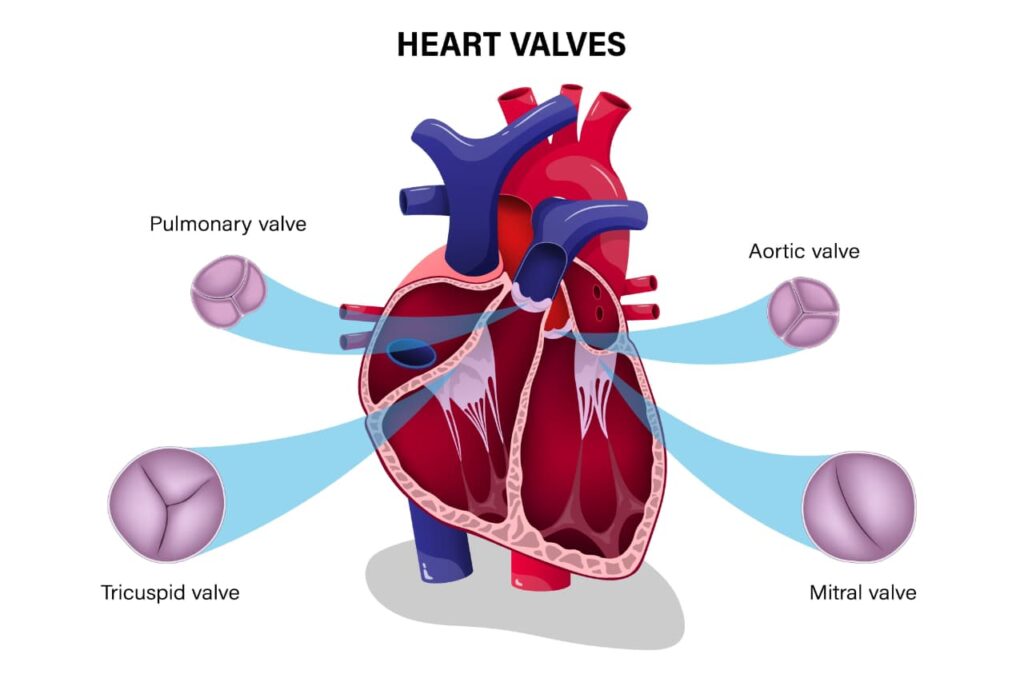
Q49. Which valve is present between the Left Atrium and Left Ventricle?
(बाएं एट्रियम और बाएं वेंट्रिकल के बीच कौन सा वाल्व होता है?)
A) Tricuspid Valve
B) Mitral Valve (Bicuspid)
C) Aortic Valve
D) Pulmonary Valve
Correct Answer: B) Mitral Valve
Rationale:
इसे ‘Bicuspid Valve’ भी कहते हैं, जो खून को एक ही दिशा में बहने देता है।
Q50. Total how many pairs of spinal nerves are there in humans?
(मानव में स्पाइनल नर्व्स के कुल कितने जोड़े होते हैं?)
A) 12 pairs
B) 31 pairs
C) 33 pairs
D) 24 pairs
Correct Answer: B) 31 pairs
Rationale:
रीढ़ की हड्डी से 31 जोड़ी तंत्रिकाएं (Nerves) निकलती हैं जो पूरे शरीर को सिग्नल भेजती हैं।#Bexyhub #NursingNots
Q51. Which position is used for giving an enema?
(एनीमा देने के लिए कौन सी स्थिति (Position) का उपयोग किया जाता है?)
A) Supine Position (सुपाइन)
B) Left Lateral Position (लेफ्ट लेटरल)
C) Prone Position (प्रोन)
D) Lithotomy Position (लिथोटॉमी)
Answer: B) Left Lateral Position
Rationale:
Left lateral position facilitates the flow of solution into the sigmoid colon and rectum by gravity. (लेफ्ट लेटरल पोजीशन गुरुत्वाकर्षण द्वारा घोल को सिग्मोइड कोलन और मलाशय में आसानी से जाने में मदद करती है।)
Q52. The specific gravity of normal urine ranges between:
(सामान्य मूत्र की विशिष्ट गुरुत्व (Specific Gravity) सीमा क्या है?)
A) 1.001 – 1.010
B) 1.010 – 1.025
C) 1.025 – 1.035
D) 1.035 – 1.045
Answer: B) 1.010 – 1.025
Rationale:
Normal urine specific gravity is 1.010 to 1.025. It indicates the kidney’s ability to concentrate urine. (सामान्य मूत्र की स्पेसिफिक ग्रेविटी 1.010 से 1.025 होती है। यह किडनी की मूत्र को गाढ़ा करने की क्षमता को दर्शाता है।) #AIIMS
Q53. Which color bag is used for discarding human anatomical waste?
(मानव शारीरिक कचरे (Human anatomical waste) को किस रंग के बैग में फेंका जाता है?)
A) Red (लाल)
B) Blue (नीला)
C) Yellow (पीला)
D) Black (काला)
Answer: C) Yellow (पीला)
Rationale:
As per BMW guidelines, human anatomical waste, animal waste, and soiled waste (cotton, dressings) go into the Yellow bag. (BMW गाइडलाइन्स के अनुसार, मानव अंग, जानवरों का कचरा और गंदी पट्टियाँ पीले बैग में डाली जाती हैं।)
Q54. The most common site for checking pulse in an unconscious adult patient is:
(बेहोश वयस्क रोगी में नाड़ी (Pulse) की जाँच करने के लिए सबसे आम स्थान कौन सा है?)
A) Radial (रेडियल)
B) Carotid (कैरोटिड)
C) Brachial (ब्रेकियल)
D) Femoral (फेमोरल)
Answer: B) Carotid (कैरोटिड)
Rationale:
In an emergency or unconscious patient, the Carotid pulse is the most reliable and accessible. (आपातकालीन स्थिति या बेहोश रोगी में, कैरोटिड पल्स सबसे विश्वसनीय और आसानी से मिल जाती है।)#Bexyhub #NursingNots
Q55. Vitamin C deficiency causes:
(विटामिन C की कमी से कौन सा रोग होता है?)
A) Night Blindness (रतौंधी)
B) Rickets (रिकेट्स)
C) Scurvy (स्कर्वी)
D) Beri-Beri (बेरी-बेरी)
Answer: C) Scurvy (स्कर्वी)
Rationale:
Vitamin C (Ascorbic Acid) deficiency leads to Scurvy, characterized by bleeding gums. (विटामिन C की कमी से स्कर्वी होता है, जिसमें मसूड़ों से खून आना आम लक्षण है।)
Q56. The normal range of Potassium in the blood is:
(रक्त में पोटेशियम की सामान्य सीमा क्या है?)
A) 2.5 – 3.5 mEq/L
B) 3.5 – 5.1 mEq/L
C) 5.5 – 6.5 mEq/L
D) 135 – 145 mEq/L
Answer: B) 3.5 – 5.1 mEq/L
Rationale:
Normal serum potassium level is 3.5 to 5.1 mEq/L. It is crucial for heart function. (सामान्य सीरम पोटेशियम स्तर 3.5 से 5.1 mEq/L होता है। यह हृदय की कार्यप्रणाली के लिए महत्वपूर्ण है।)#Bexyhub #NursingNots
Q57. Which vaccine is given at birth?
(जन्म के समय कौन सा टीका दिया जाता है?)
A) BCG, OPV, Hep-B
B) DPT, OPV, Hep-B
C) Measles, Vitamin A
D) BCG, DPT, Polio
Answer: A) BCG, OPV, Hep-B
Rationale:
At birth, BCG (for TB), OPV Zero dose, and Hepatitis B vaccines are administered. (जन्म के समय BCG, OPV की ज़ीरो डोज़ और हेपेटाइटिस B का टीका लगाया जाता है।)
Q58. Mantoux test is used for screening of:
(मंटॉक्स टेस्ट (Mantoux test) किसकी स्क्रीनिंग के लिए किया जाता है?)
A) AIDS (एड्स)
B) Tuberculosis (तपेदिक/TB)
C) Malaria (मलेरिया)
D) Dengue (डेंगू)
Answer: B) Tuberculosis (तपेदिक/TB)
Rationale:
Mantoux test (Tuberculin skin test) is used to determine if a person has been infected with TB bacteria. (मंटॉक्स टेस्ट का उपयोग यह पता लगाने के लिए किया जाता है कि व्यक्ति टीबी बैक्टीरिया से संक्रमित है या नहीं।)#Bexyhub #NursingNots
Q59. The universal donor blood group is:
(सर्वदाता (Universal donor) रक्त समूह कौन सा है?)
A) A Positive
B) B Positive
C) AB Positive
D) O Negative
Answer: D) O Negative
Rationale:
O Negative blood lacks A, B, and Rh antigens, making it safe for transfusion to almost any patient. (O नेगेटिव रक्त में A, B और Rh एंटीजन नहीं होते, इसलिए इसे किसी भी रोगी को सुरक्षित रूप से दिया जा सकता है।)
Q60. What is the angle of insertion for an Intramuscular (IM) injection?
(इंट्रामस्क्युलर (IM) इंजेक्शन लगाने का कोण क्या है?)
A) 45 degrees
B) 90 degrees
C) 15 degrees
D) 30 degrees
Answer: B) 90 degrees
Rationale:
IM injections are given at a 90-degree angle to reach deep into the muscle tissue. (मांसपेशियों के ऊतकों में गहराई तक पहुंचने के लिए IM इंजेक्शन 90 डिग्री के कोण पर दिए जाते हैं।)
Q61. Dyspnea means:
(डिस्पनिया (Dyspnea) का अर्थ है:)
A) Difficulty in swallowing (निगलने में कठिनाई)
B) Difficulty in breathing (सांस लेने में कठिनाई)
C) Difficulty in walking (चलने में कठिनाई)
D) Difficulty in urination (पेशाब करने में कठिनाई)
Answer: B) Difficulty in breathing (सांस लेने में कठिनाई)
Rationale:
Dyspnea is the medical term for shortness of breath or difficulty breathing. (डिस्पनिया सांस की तकलीफ या सांस लेने में कठिनाई के लिए चिकित्सा शब्द है।)#Bexyhub #NursingNots
Q62. The ‘Rule of Nines’ is used for:
(‘रूल ऑफ नाइन’ (Rule of Nines) का उपयोग किसके लिए किया जाता है?)
A) Assessing Dehydration (निर्जलीकरण का आकलन)
B) Assessing Burn Area (जले हुए क्षेत्र का आकलन)
C) Organ Transplantation (अंग प्रत्यारोपण)
D) Assessing Fracture (फ्रैक्चर का आकलन)
Answer: B) Assessing Burn Area (जले हुए क्षेत्र का आकलन)
Rationale:
The Rule of Nines helps estimate the percentage of total body surface area affected by burns. (रूल ऑफ नाइन जले हुए कुल शारीरिक क्षेत्र (TBSA) के प्रतिशत का अनुमान लगाने में मदद करता है।)
Q63. Which hormone is responsible for milk ejection (Let-down reflex)?
(दूध निकालने (Let-down reflex) के लिए कौन सा हार्मोन जिम्मेदार है?)
A) Prolactin (प्रोलैक्टिन)
B) Oxytocin (ऑक्सीटोसिन)
C) Estrogen (एस्ट्रोजन)
D) Progesterone (प्रोजेस्टेरोन)
Answer: B) Oxytocin (ऑक्सीटोसिन)
Rationale:
Oxytocin causes contraction of cells in the mammary glands, leading to milk ejection. Prolactin is for milk production. (ऑक्सीटोसिन स्तन ग्रंथियों में संकुचन का कारण बनता है, जिससे दूध बाहर आता है। प्रोलैक्टिन दूध के उत्पादन के लिए होता है।)
Q64. Normal fetal heart rate is:
(सामान्य भ्रूण हृदय गति (Fetal Heart Rate) कितनी होती है?)
A) 60-100 bpm
B) 100-120 bpm
C) 120-160 bpm
D) 160-200 bpm
Answer: C) 120-160 bpm
Rationale:
The normal range for fetal heart rate is between 120 and 160 beats per minute. (भ्रूण की सामान्य हृदय गति 120 से 160 बीट्स प्रति मिनट के बीच होती है।)#Bexyhub #NursingNots
Q65. Full form of CPR is:
(CPR का पूर्ण रूप है:)
A) Cardio Pulmonary Resuscitation
B) Cardio Pulmonary Rescue
C) Cerebral Pulmonary Resuscitation
D) Cardio Pulse Rate
Answer: A) Cardio Pulmonary Resuscitation
Rationale: CPR stands for Cardiopulmonary Resuscitation, a lifesaving technique used in emergencies. (CPR का मतलब कार्डियोपल्मोनरी रिससिटेशन है, जो आपात स्थिति में इस्तेमाल की जाने वाली एक जीवन रक्षक तकनीक है।)
Q66. The causative organism of Cholera is:
(हैजा (Cholera) का कारक जीव कौन सा है?)
A) Salmonella typhi
B) Vibrio cholerae
C) E. coli
D) Plasmodium
Answer: B) Vibrio cholerae
Rationale:
Cholera is an acute diarrheal illness caused by infection of the intestine with Vibrio cholerae bacteria. (हैजा आंत में विब्रियो कॉलेरी बैक्टीरिया के संक्रमण के कारण होने वाली एक बीमारी है।) #Norcet#Bexyhub #NursingNots
Q67. Bleeding from the nose is known as:
(नाक से खून आने को क्या कहते हैं?)
A) Hemoptysis (हेमोप्टाइसिस)
B) Epistaxis (एपिस्टेक्सिस)
C) Hematemesis (हेमेटेमेसिस)
D) Hematuria (हेमट्यूरिया)
Answer: B) Epistaxis (एपिस्टेक्सिस)
Rationale:
Epistaxis is the medical term for nosebleed. Hemoptysis is coughing up blood. (नाक से खून आने को एपिस्टेक्सिस कहते हैं। हेमोप्टाइसिस का मतलब खांसते समय खून आना है।)
Q68. Total number of bones in the human body:
(मानव शरीर में हड्डियों की कुल संख्या कितनी होती है?)
A) 200
B) 206
C) 212
D) 208
Answer: B) 206
Rationale:
An adult human skeleton consists of 206 bones. (एक वयस्क मानव कंकाल में 206 हड्डियाँ होती हैं।)
Q69. Which part of the brain controls body balance?
(मस्तिष्क का कौन सा भाग शरीर का संतुलन (Balance) नियंत्रित करता है?)
A) Cerebrum (सेरेब्रम)
B) Cerebellum (सेरेबेलम)
C) Medulla Oblongata (मेडुला ऑब्लोंगेटा)
D) Hypothalamus (हाइपोथैलेमस)
Answer: B) Cerebellum (सेरेबेलम)
Rationale:
The Cerebellum is responsible for coordinating voluntary movements and maintaining balance and posture. (सेरेबेलम स्वैच्छिक आंदोलनों के समन्वय और संतुलन व मुद्रा बनाए रखने के लिए जिम्मेदार है।)#Bexyhub #NursingNots
Q70. In triage, the color ‘Red’ indicates:
(ट्राएज (Triage) में ‘लाल’ रंग क्या दर्शाता है?)
A) Dead (मृत)
B) Minor Injury (मामूली चोट)
C) Immediate/Emergent (तत्काल/आपातकालीन)
D) Delayed (विलंबित)
Answer: C) Immediate/Emergent (तत्काल/आपातकालीन)
Rationale:
Red tag indicates a life-threatening injury that requires immediate attention. (लाल टैग जीवन के लिए खतरा पैदा करने वाली चोट को दर्शाता है जिस पर तत्काल ध्यान देने की आवश्यकता होती है।)
Q71. One teaspoon is equal to:
(एक चम्मच (Teaspoon) किसके बराबर होता है?)
A) 5 ml
B) 10 ml
C) 15 ml
D) 2 ml
Answer: A) 5 ml
Rationale:
In medical measurement, 1 Teaspoon (tsp) is considered equal to 5 ml. (चिकित्सा माप में, 1 चम्मच (tsp) 5 मिलीलीटर के बराबर माना जाता है।)#Bexyhub #NursingNots
Q72. Inflammation of the tongue is called:
(जीभ की सूजन (Inflammation) को क्या कहते हैं?)
A) Gingivitis (जिंजिवाइटिस)
B) Glossitis (ग्लोसिटिस)
C) Stomatitis (स्टोमेटाइटिस)
D) Gastritis (गेस्ट्राइटिस)
Answer: B) Glossitis (ग्लोसिटिस)
Rationale: Glossitis refers to the inflammation of the tongue. Stomatitis is inflammation of the mouth. (ग्लोसिटिस का मतलब जीभ की सूजन है। स्टोमेटाइटिस मुंह की सूजन है।)
Q73. The largest gland in the human body is:
(मानव शरीर की सबसे बड़ी ग्रंथि कौन सी है?)
A) Pancreas (अग्न्याशय)
B) Liver (यकृत)
C) Thyroid (थायराइड)
D) Pituitary (पिट्यूटरी)
Answer: B) Liver (यकृत)
Rationale:
The Liver is the largest internal organ and gland in the human body. (लिवर मानव शरीर का सबसे बड़ा आंतरिक अंग और ग्रंथि है।)
Q74. Which gas is known as Laughing Gas?
(किस गैस को लाफिंग गैस (Laughing Gas) के नाम से जाना जाता है?)
A) Nitrogen
B) Nitrous Oxide
C) Carbon Dioxide
D) Oxygen
Answer: B) Nitrous Oxide
Rationale:
Nitrous Oxide (N2O) is commonly known as laughing gas and is used as an anesthetic. (नाइट्रस ऑक्साइड (N2O) को आमतौर पर लाफिंग गैस के रूप में जाना जाता है और इसे एनेस्थेटिक के रूप में उपयोग किया जाता है।)#Bexyhub #NursingNots
Q75. The incubation period of Measles is:
(खसरा (Measles) की ऊष्मायन अवधि (Incubation period) क्या है?)
A) 7-14 days
B) 10-14 days
C) 14-21 days
D) 21-28 days
Answer: B) 10-14 days
Rationale:
The typical incubation period for measles is about 10 to 14 days after infection. (खसरे की सामान्य ऊष्मायन अवधि संक्रमण के बाद लगभग 10 से 14 दिन होती है।)
Q76. The normal blood pressure of a healthy adult is:
(एक स्वस्थ वयस्क का सामान्य रक्तचाप (Blood Pressure) कितना होता है?)
A) 140/90 mmHg
B) 120/80 mmHg
C) 100/60 mmHg
D) 110/70 mmHg
Answer: B) 120/80 mmHg
Rationale:
120/80 mmHg is considered the standard normal blood pressure. 140/90 or higher indicates hypertension. (120/80 mmHg को मानक सामान्य रक्तचाप माना जाता है। 140/90 या उससे अधिक उच्च रक्तचाप का संकेत है।) #Nursing Staff
Q77. Where is the apical pulse located?
(एपिकल पल्स (Apical Pulse) कहाँ स्थित होती है?)
A) 2nd Intercostal space
B) 5th Intercostal space
C) Radial artery
D) Carotid artery
Answer: B) 5th Intercostal space
Rationale:
The apical pulse is heard at the apex of the heart, located at the 5th intercostal space at the left midclavicular line. (एपिकल पल्स हृदय के शीर्ष पर सुनी जाती है, जो बाईं मिडक्लेविक्युलर लाइन पर 5वें इंटरकोस्टल स्पेस में स्थित होती है।)
Q78. Which route is commonly used for Insulin administration?
(इंसुलिन देने के लिए आमतौर पर किस मार्ग (Route) का उपयोग किया जाता है?)
A) Intradermal (इंट्राडर्मल)
B) Intramuscular (इंट्रामस्क्युलर)
C) Subcutaneous (सबक्यूटेनियस)
D) Intravenous (इंट्रावेनस)
Answer: C) Subcutaneous (सबक्यूटेनियस)
Rationale:
Insulin is injected into the fatty tissue just under the skin (subcutaneous) for proper absorption. (उचित अवशोषण के लिए इंसुलिन को त्वचा के ठीक नीचे वसायुक्त ऊतक (सबक्यूटेनियस) में इंजेक्ट किया जाता है।)#Bexyhub #NursingNots
Q79. Which method is used for sterilization of surgical instruments?
(सर्जिकल उपकरणों के नसबंदी (Sterilization) के लिए किस विधि का उपयोग किया जाता है?)
A) Boiling (उबालना)
B) Autoclaving (ऑटोक्लेविंग)
C) Fumigation (फ्यूमिगेशन)
D) Hot Air Oven (हॉट एयर ओवन)
Answer: B) Autoclaving (ऑटोक्लेविंग)
Rationale:
Autoclaving (steam under pressure) is the most effective method for sterilizing surgical instruments. (सर्जिकल उपकरणों को स्टरलाइज़ करने के लिए ऑटोक्लेविंग (दबाव में भाप) सबसे प्रभावी तरीका है।)#Bexyhub #NursingNots
Q80. Vitamin K is administered to newborns to prevent:
(नवजात शिशुओं को विटामिन K किस चीज़ को रोकने के लिए दिया जाता है?)
A) Jaundice (पीलिया)
B) Hemorrhage (रक्तस्राव)
C) Infection (संक्रमण)
D) Blindness (अंधापन)
Answer: B) Hemorrhage (रक्तस्राव)
Rationale:
Newborns have low Vitamin K levels, which puts them at risk of bleeding (Hemorrhagic Disease of the Newborn). (नवजात शिशुओं में विटामिन K का स्तर कम होता है, जिससे उन्हें रक्तस्राव का खतरा होता है।)
Q81. To prevent bedsores in a bedridden patient, the position should be changed every:
(बिस्तर पर पड़े रोगी में बेडसोर्स (Bedsores) को रोकने के लिए, स्थिति को हर _ बदलना चाहिए:)
A) 4 hours
B) 2 hours
C) 6 hours
D) 8 hours
Answer: B) 2 hours
Rationale:
Changing position every 2 hours relieves pressure on bony prominences and maintains blood circulation. (हर 2 घंटे में स्थिति बदलने से हड्डियों के उभारों पर दबाव कम होता है और रक्त संचार बना रहता है।)#Bexyhub #NursingNots
Q82. Which gland is known as the ‘Master Gland’?
(किस ग्रंथि को ‘मास्टर ग्रंथि’ (Master Gland) के रूप में जाना जाता है?)
A) Thyroid (थायराइड)
B) Adrenal (एड्रेनल)
C) Pituitary (पिट्यूटरी)
D) Pancreas (अग्न्याशय)
Answer: C) Pituitary (पिट्यूटरी)
Rationale:
The Pituitary gland controls the function of many other endocrine glands, hence called the Master Gland. (पिट्यूटरी ग्रंथि कई अन्य अंतःस्रावी ग्रंथियों के कार्य को नियंत्रित करती है, इसलिए इसे मास्टर ग्रंथि कहा जाता है।)
Q83. Normal respiratory rate in an adult is:
(एक वयस्क में सामान्य श्वसन दर (Respiratory rate) कितनी होती है?)
A) 12-20 breaths/min
B) 20-30 breaths/min
C) 30-40 breaths/min
D) 10-12 breaths/min
Answer: A) 12-20 breaths/min
Rationale:
The normal resting respiratory rate for healthy adults is 12 to 20 breaths per minute. (स्वस्थ वयस्कों के लिए सामान्य आराम की श्वसन दर 12 से 20 सांस प्रति मिनट है।)
Q84. DOTS therapy is used for the treatment of:
(DOTS थेरेपी का उपयोग किसके उपचार के लिए किया जाता है?)
A) Leprosy (कुष्ठ रोग)
B) Tuberculosis (तपेदिक)
C) Malaria (मलेरिया)
D) HIV/AIDS
Answer: B) Tuberculosis (तपेदिक)
Rationale:
DOTS (Directly Observed Treatment, Short-course) is the internationally recommended strategy for TB control. (DOTS टीबी नियंत्रण के लिए अंतरराष्ट्रीय स्तर पर अनुशंसित रणनीति है।) #Nursing Notes MCQ
Q85. ORS stands for:
(ORS का पूर्ण रूप है:)
A) Oral Rehydration Solution
B) Oral Rehydration Salt
C) Oral Rescue Solution
D) Oral Refill Salt
Answer: A) Oral Rehydration Solution
Rationale:
ORS stands for Oral Rehydration Solution, used to treat dehydration. (ORS का मतलब ओरल रिहाइड्रेशन सॉल्यूशन है, जिसका उपयोग डिहाइड्रेशन के इलाज के लिए किया जाता है।)
Q86. A temperature of 99°F to 100°F is considered:
(99°F से 100°F का तापमान माना जाता है:)
A) Hypothermia (हाइपोथर्मिया)
B) Low Pyrexia (हल्का बुखार)
C) Hyperpyrexia (तेज बुखार)
D) Normal (सामान्य)
Answer: B) Low Pyrexia (हल्का बुखार)
Rationale:
Pyrexia means fever. 99-100°F is a low-grade fever. (पाइरेक्सिया का मतलब बुखार है। 99-100°F हल्का बुखार है।)
Q87. Islets of Langerhans are found in:
(आइलेट्स ऑफ लैंगरहैंस (Islets of Langerhans) कहाँ पाए जाते हैं?)
A) Liver (यकृत)
B) Spleen (तिल्ली)
C) Pancreas (अग्न्याशय)
D) Kidney (गुर्दा)
Answer: C) Pancreas (अग्न्याशय)
Rationale:
Islets of Langerhans are groups of cells in the pancreas that produce insulin and glucagon. (आइलेट्स ऑफ लैंगरहैंस अग्न्याशय में कोशिकाओं के समूह हैं जो इंसुलिन और ग्लूकागन का उत्पादन करते हैं।)#Bexyhub #NursingNots
Q88. Which blood group is known as ‘Universal Recipient’?
(किस रक्त समूह को ‘सर्वग्राही’ (Universal Recipient) के रूप में जाना जाता है?)
A) O Positive
B) AB Positive
C) A Positive
D) B Positive
Answer: B) AB Positive
Rationale: People with AB Positive blood can receive red blood cells from any blood type. (AB पॉजिटिव रक्त वाले लोग किसी भी रक्त समूह से रेड ब्लड सेल्स ले सकते हैं।)
Q89. Florence Nightingale was born on:
(फ्लोरेंस नाइटिंगेल का जन्म कब हुआ था?)
A) May 12, 1820
B) May 12, 1830
C) April 7, 1820
D) June 5, 1850
Answer: A) May 12, 1820
Rationale:
Florence Nightingale, the founder of modern nursing, was born on May 12, 1820. (आधुनिक नर्सिंग की संस्थापक फ्लोरेंस नाइटिंगेल का जन्म 12 मई 1820 को हुआ था।)
Q90. Accumulation of fluid in the brain is called:
(मस्तिष्क में तरल पदार्थ के जमा होने को क्या कहते हैं?)
A) Meningitis (मेनिनजाइटिस)
B) Hydrocephalus (हाइड्रोसिफेलस)
C) Encephalitis (एन्सेफलाइटिस)
D) Hematoma (हेमेटोमा)
Answer: B) Hydrocephalus (हाइड्रोसिफेलस)
Rationale:
Hydrocephalus is the buildup of cerebrospinal fluid (CSF) in the ventricles of the brain. (हाइड्रोसिफेलस मस्तिष्क के निलय में सेरेब्रोस्पाइनल फ्लूइड (CSF) का निर्माण है।)
Q91. Lack of Oxygen in the tissues is called:
(ऊतकों (Tissues) में ऑक्सीजन की कमी को क्या कहते हैं?)
A) Hypoxemia (हाइपोक्सिमिया)
B) Hypoxia (हाइपोक्सिया)
C) Cyanosis (साइनोसिस)
D) Apnea (एपनिया)
Answer: B) Hypoxia (हाइपोक्सिया)
Rationale:
Hypoxia refers to a state where oxygen supply is insufficient for tissue needs. Hypoxemia is low oxygen in the blood. (हाइपोक्सिया उस स्थिति को संदर्भित करता है जहां ऊतकों के लिए ऑक्सीजन की आपूर्ति अपर्याप्त होती है। हाइपोक्सिमिया रक्त में कम ऑक्सीजन है।) #Bexyhub#Bexyhub #NursingNots
Q92. The longest and strongest bone in the human body is:
(मानव शरीर की सबसे लंबी और सबसे मजबूत हड्डी कौन सी है?)
A) Tibia (टिबिया)
B) Humerus (ह्यूमरस)
C) Femur (फीमर)
D) Fibula (फिबुला)
Answer: C) Femur (फीमर)
Rationale:
The Femur (thigh bone) is the longest and strongest bone. (फीमर (जांघ की हड्डी) सबसे लंबी और सबसे मजबूत हड्डी है।)#Bexyhub #NursingNots
#Bexyhub #NursingNots
Q93. The normal pH of human blood is:
(मानव रक्त का सामान्य pH कितना होता है?)
A) 7.0
B) 7.35 – 7.45
C) 6.8 – 7.0
D) 7.8 – 8.0
Answer: B) 7.35 – 7.45
Rationale:
Human blood is slightly alkaline with a normal pH range of 7.35 to 7.45. (मानव रक्त थोड़ा क्षारीय होता है जिसका सामान्य pH रेंज 7.35 से 7.45 है।)
Q94. Which gauge needle is used for blood transfusion?
(रक्त चढ़ाने (Blood transfusion) के लिए किस गेज (Gauge) की सुई का उपयोग किया जाता है?)
A) 24 G
B) 22 G
C) 18 G
D) 26 G
Answer: C) 18 G
Rationale:
An 18 G (Green) needle is preferred for blood transfusion to prevent hemolysis (breakdown) of RBCs. (RBCs को टूटने से बचाने के लिए ब्लड ट्रांसफ्यूजन के लिए 18 G (हरी) सुई को प्राथमिकता दी जाती है।)#Bexyhub #NursingNots
Q95. What is the antidote for Heparin?
(हेपरिन (Heparin) का एंटीडोट क्या है?)
A) Vitamin K
B) Protamine Sulfate
C) Calcium Gluconate
D) Atropine
Answer: B) Protamine Sulfate
Rationale:
Protamine Sulfate reverses the anticoagulant effects of Heparin. Vitamin K is for Warfarin. (प्रोटामाइन सल्फेट हेपरिन के प्रभाव को उलट देता है। विटामिन K वारफेरिन के लिए है।)
Q96. Kangaroo Mother Care (KMC) is given to:
(कंगारू मदर केयर (KMC) किसे दी जाती है?)
A) All newborns
B) Low Birth Weight babies
C) Post-term babies
D) Obese babies
Answer: B) Low Birth Weight babies
Rationale:
KMC is a method of care for preterm and low birth weight infants involving skin-to-skin contact. (KMC समय से पहले जन्मे और कम वजन वाले शिशुओं के लिए त्वचा से त्वचा संपर्क वाली देखभाल की एक विधि है।)#Bexyhub #NursingNots
Q97. The abbreviation ‘PRN’ stands for:
(‘PRN’ संक्षिप्त नाम का अर्थ है:)
A) Once a day (दिन में एक बार)
B) When required (जब आवश्यकता हो)
C) Immediately (तुरंत)
D) Before sleep (सोने से पहले)
Answer: B) When required (जब आवश्यकता हो)
Rationale:
PRN comes from the Latin ‘pro re nata’, meaning “as the situation demands” or “when necessary”. (PRN लैटिन ‘pro re nata’ से आया है, जिसका अर्थ है “जैसी स्थिति की मांग हो” या “जब आवश्यक हो”।) #Nursing Student #Bexyhub
Q98. Infection acquired during hospital stay is called:
(अस्पताल में रहने के दौरान प्राप्त संक्रमण को क्या कहा जाता है?)
A) Droplet infection
B) Nosocomial infection
C) Cross infection
D) Congenital infection
Answer: B) Nosocomial infection
Rationale:
Nosocomial infections (also called Hospital-Acquired Infections – HAI) are infections patients get while receiving treatment in a hospital. (नोसोकोमियल संक्रमण (जिसे अस्पताल-अधिग्रहित संक्रमण भी कहा जाता है) वे संक्रमण हैं जो रोगियों को अस्पताल में उपचार के दौरान मिलते हैं।)
Q99. Dengue fever is transmitted by:
(डेंगू बुखार किसके द्वारा फैलता है?)
A) Anopheles Mosquito
B) Aedes Aegypti Mosquito
C) Culex Mosquito
D) Housefly
Answer: B) Aedes Aegypti Mosquito
Rationale:
Dengue virus is primarily transmitted by Aedes aegypti mosquitoes. Anopheles spreads Malaria. (डेंगू वायरस मुख्य रूप से एडीज एजिप्टी मच्छरों द्वारा फैलता है। एनोफिलीज मलेरिया फैलाता है।)#Bexyhub #NursingNots
Q100. ‘World Health Day’ is celebrated on:
(‘विश्व स्वास्थ्य दिवस’ (World Health Day) कब मनाया जाता है?)
A) 7th April
B) 1st December
C) 12th May
D) 5th June
Answer: A) 7th April
Rationale:
World Health Day is celebrated annually on April 7th to mark the founding of WHO. (WHO की स्थापना को चिह्नित करने के लिए प्रतिवर्ष 7 अप्रैल को विश्व स्वास्थ्य दिवस मनाया जाता है।) #Nursing MCQ #Bexyhub
GNM 1st Year Anatomy & Physiology: VIP MCQ Series (Part 2)
Q. 101. Which bone is known as the ‘Kneecap’?
किस हड्डी को ‘घुटने की टोपी’ (Kneecap) के रूप में जाना जाता है?
A) Tibia (टिबिया)
B) Fibula (फिबुला)
C) Patella (पटेला)
D) Scapula (स्कैपुला)
Answer: C) Patella
Rationale (तर्क):
Patella: यह घुटने के सामने स्थित एक छोटी त्रिकोणीय हड्डी है जो जोड़ों की रक्षा करती है।
Tibia: यह पैर की मुख्य भार ढोने वाली हड्डी है (Shin bone)।
Fibula: यह पैर के निचले हिस्से की पतली हड्डी है।#Bexyhub #NursingNots
Scapula: इसे ‘Shoulder blade’ कहते हैं जो कंधे के पीछे होती है।
Q. 102. What is the normal pH of human blood?
मानव रक्त का सामान्य pH मान कितना होता है?
A) 6.4
B) 7.35 – 7.45
C) 8.0
D) 5.5
Answer: B) 7.35 – 7.45
Rationale (तर्क):
7.35 – 7.45: यह रक्त का सामान्य रेंज है, जो थोड़ा क्षारीय (Slightly Alkaline) होता है।
6.4/5.5: यह एसिडिक (Amleey) रेंज है, जो शरीर के लिए खतरनाक है।
8.0: यह बहुत अधिक क्षारीय है (Alkalosis)।
Q. 103. Which organ is responsible for the production of Bile?
पित्त (Bile) का उत्पादन किस अंग द्वारा किया जाता है?
A) Gallbladder (पित्ताशय)
B) Pancreas (अग्न्याशय)
C) Liver (यकृत)
D) Stomach (आमाशय)
Answer: C) Liver
Rationale (तर्क):
Liver: पित्त का निर्माण लिवर में होता है।
Gallbladder: यहाँ पित्त केवल जमा (Store) और गाढ़ा होता है, बनता नहीं है।
Pancreas: यह इंसुलिन और पाचन एंजाइम बनाता है।
Stomach: यहाँ HCl एसिड और पेप्सिन बनता है।
Q. 104. Which part of the brain controls balance and posture?
मस्तिष्क का कौन सा भाग संतुलन और मुद्रा (Posture) को नियंत्रित करता है?
A) Cerebrum (सेरिब्रम)
B) Cerebellum (सेरिबेलम)
C) Medulla Oblongata (मेडुला ऑबोंगाटा)
D) Thalamus (थैलेमस)
Answer: B) Cerebellum
Rationale (तर्क):
Cerebellum: इसे ‘छोटा दिमाग’ भी कहते हैं, जो शरीर का संतुलन और मांसपेशियों का तालमेल बनाता है।
Cerebrum: यह सोचने, याद रखने और बुद्धिमत्ता का केंद्र है।
Medulla: यह श्वसन और हृदय गति जैसी अनैच्छिक क्रियाओं को नियंत्रित करता है।
Thalamus: यह संवेदी संकेतों (Sensory signals) के लिए रिले स्टेशन है।
Q. 105. The exchange of gases (O2 & CO2) occurs in which part of the lungs?
फेफड़ों के किस भाग में गैसों (O2 और CO2) का आदान-प्रदान होता है?
A) Bronchi (ब्रोंकाई)
B) Trachea (श्वासनली)
C) Alveoli (एल्विओलाई)
D) Pharynx (ग्रसनी)
Answer: C) Alveoli
Rationale (तर्क):
Alveoli: ये फेफड़ों की सबसे छोटी इकाई हैं जहाँ रक्त और हवा के बीच गैसों का आदान-प्रदान होता है।
Trachea: यह केवल हवा को फेफड़ों तक ले जाने वाला मार्ग है।
Bronchi: ये श्वासनली की शाखाएं हैं जो हवा को भीतर ले जाती हैं।
Pharynx: यह गले का हिस्सा है जहाँ भोजन और हवा दोनों का मार्ग होता है।
Q. 106. Which hormone is known as the ‘Emergency Hormone’?
किस हार्मोन को ‘आपातकालीन हार्मोन’ के रूप में जाना जाता है?
A) Insulin (इंसुलिन)
B) Thyroxine (थायरोक्सिन)
C) Adrenaline (एड्रेनालिन)
D) Estrogen (एस्ट्रोजन)
Answer: C) Adrenaline
Rationale (तर्क):
Adrenaline: इसे ‘Fight or Flight’ हार्मोन भी कहते हैं, जो डर या तनाव के समय शरीर को तैयार करता है।
Insulin: यह ब्लड शुगर को कम करता है।
Thyroxine: यह मेटाबॉलिज्म को नियंत्रित करता है।
Estrogen: यह महिला प्रजनन प्रणाली के विकास में सहायक है।
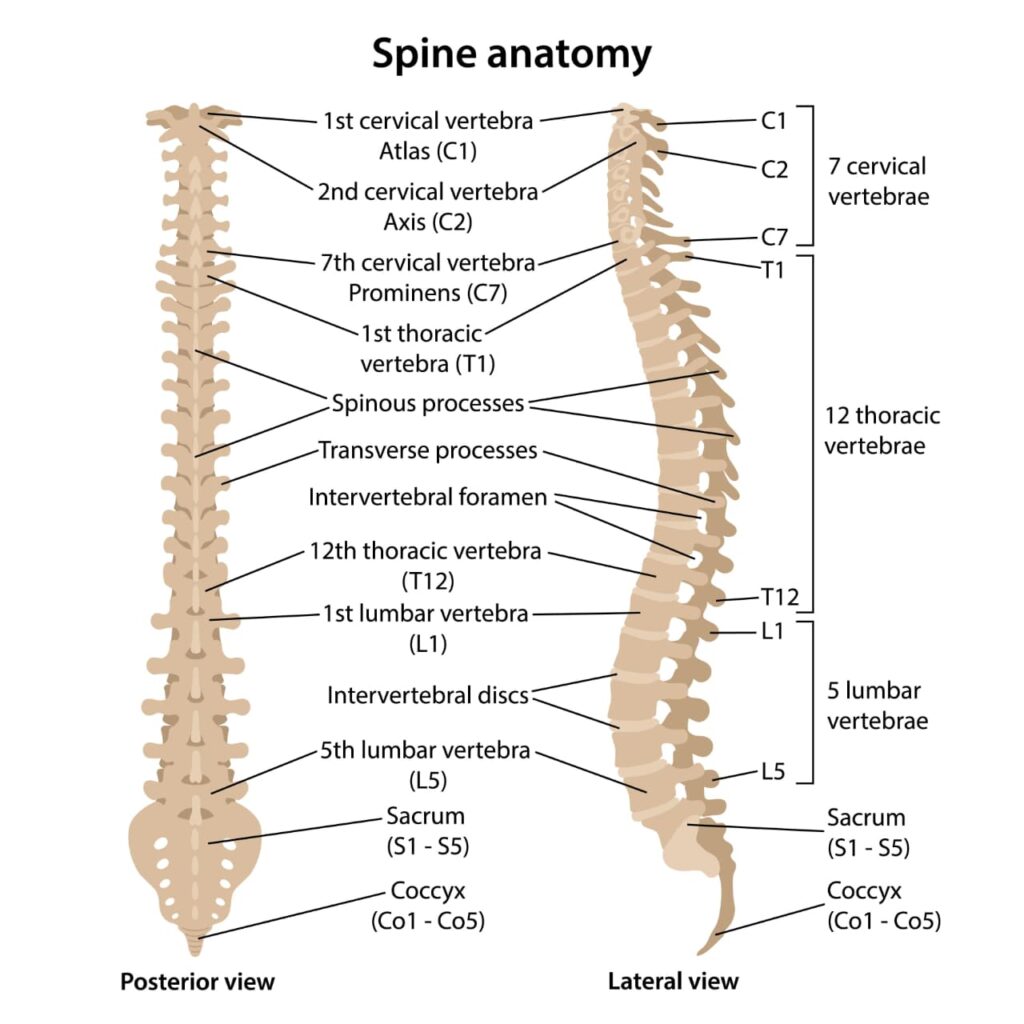
Q. 107. How many vertebrae are there in the Cervical region?
ग्रीवा क्षेत्र (गर्दन) में कितनी कशेरुकाएं (Vertebrae) होती हैं?
A) 5
B) 12
C) 7
D) 9
Answer: C) 7
Rationale (तर्क):
7: गर्दन के हिस्से में 7 सर्वाइकल हड्डियाँ (C1-C7) होती हैं।
12: यह वक्षीय (Thoracic) क्षेत्र की हड्डियों की संख्या है। 5: यह लम्बर (Lumbar) क्षेत्र की हड्डियों की संख्या है।#Bexyhub #NursingNots
Q. 108. Which structure prevents food from entering the trachea?
कौन सी संरचना भोजन को श्वासनली (Trachea) में जाने से रोकती है?
A) Pharynx (ग्रसनी)
B) Epiglottis (एपिग्लॉटिस)
C) Larynx (लैरिंक्स)
D) Esophagus (ग्रासनली)
Answer: B) Epiglottis
Rationale (तर्क):
Epiglottis: यह एक ढक्कन जैसी संरचना है जो निगलते समय श्वासनली को बंद कर देती है।
Pharynx: यह हवा और भोजन का सामान्य मार्ग है।
Larynx: इसे ‘वॉइस बॉक्स’ कहते हैं जहाँ ध्वनि उत्पन्न होती है।
Esophagus: यह भोजन को पेट तक ले जाने वाली नली है।#Bexyhub #NursingNots
Q. 109. What is the average lifespan of Platelets?
प्लेटलेट्स (Platelets) का औसत जीवनकाल कितना होता है?
A) 120 days
B) 7 – 10 days
C) 2 – 5 days
D) 15 – 20 days
Answer: B) 7 – 10 days
Rationale (तर्क):
7-10 Days: प्लेटलेट्स का जीवनकाल छोटा होता है, जिसके बाद ये प्लीहा (Spleen) में नष्ट हो जाते हैं।
120 Days: यह RBC (लाल रक्त कोशिकाओं) का जीवनकाल है।
Q. 110. Which is the smallest bone in the human body?
मानव शरीर की सबसे छोटी हड्डी कौन सी है?
A) Phalanges (अंगुलास्थि)
B) Stapes (स्टेपीज)
C) Nasal bone (नाक की हड्डी)
D) Ulna (अल्ना)
Answer: B) Stapes
Rationale (तर्क):
Stapes: यह कान के मध्य भाग में स्थित होती है और चावल के दाने से भी छोटी होती है।
Phalanges: ये हाथ और पैर की उंगलियों की हड्डियाँ हैं।
Ulna: यह हाथ के निचले हिस्से की हड्डी है।
Q. 111. The layer of the heart responsible for pumping action is:
हृदय की वह परत जो पंपिंग (संकुचन) क्रिया के लिए जिम्मेदार है:
A) Pericardium (पेरिकार्डियम)
B) Endocardium (एंडोकार्डियम)
C) Myocardium (मायोकार्डियम)
D) Epicardium (एपिकार्डियम)
Answer: C) Myocardium
Rationale (तर्क):
Myocardium: यह हृदय की बीच वाली मांसपेशी परत है जो रक्त को पंप करने के लिए सुकड़ती है।
Pericardium: यह हृदय की सबसे बाहरी सुरक्षात्मक थैली है।
Endocardium: यह हृदय के कमरों (Chambers) की सबसे भीतरी परत है।
Q. 112. Digestion of proteins starts in which organ?
प्रोटीन का पाचन किस अंग में शुरू होता है?
A) Mouth (मुँह)
B) Stomach (आमाशय)
C) Small Intestine (छोटी आंत)
D) Large Intestine (बड़ी आंत)
Answer: B) Stomach
Rationale (तर्क):
Stomach: यहाँ पेप्सिन (Pepsin) एंजाइम द्वारा प्रोटीन का पाचन शुरू होता है।
Mouth: यहाँ केवल कार्बोहाइड्रेट (स्टार्च) का पाचन शुरू होता है।
Small Intestine: यहाँ अधिकांश पाचन और अवशोषण पूरा होता है।
Q. 113. Which cranial nerve is responsible for the sense of smell?
सूंघने की शक्ति के लिए कौन सी कपाल तंत्रिका जिम्मेदार है?
A) Optic Nerve (ऑप्टिक नर्व)
B) Olfactory Nerve (ओल्फैक्ट्री नर्व)
C) Vagus Nerve (वेगस नर्व)
D) Facial Nerve (फेशियल नर्व)
Answer: B) Olfactory Nerve
Rationale (तर्क):
Olfactory Nerve: यह पहली (1st) कपाल तंत्रिका है जो नाक से गंध के संकेत मस्तिष्क तक ले जाती है।
Optic Nerve: यह देखने (Vision) के लिए जिम्मेदार है।
Vagus Nerve: यह पाचन और हृदय गति को नियंत्रित करती है।
Q. 114. What is the name of the outer covering of the lungs?
फेफड़ों के बाहरी आवरण (Covering) का नाम क्या है?
A) Peritoneum (पेरिटोनियम)
B) Pleura (प्लुरा)
C) Meninges (मेनिनजेस)
D) Periosteum (पेरियोस्टियम)
Answer: B) Pleura
Rationale (तर्क):
Pleura: यह दो परतों वाली झिल्ली है जो फेफड़ों की रक्षा करती है।
Peritoneum: यह पेट के अंगों का आवरण है।
Meninges: यह मस्तिष्क और स्पाइनल कॉर्ड का आवरण है।
Q. 115. Where are Red Blood Cells (RBCs) produced in adults?
वयस्कों में लाल रक्त कोशिकाओं (RBCs) का निर्माण कहाँ होता है?
A) Spleen (प्लीहा)
B) Liver (यकृत)
C) Red Bone Marrow (लाल अस्थि मज्जा)
D) Thymus (थायमस)
Answer: C) Red Bone Marrow
Rationale (तर्क):
Red Bone Marrow: बड़ी हड्डियों के सिरों पर स्थित मज्जा में ही रक्त कोशिकाएं बनती हैं।
Spleen: इसे ‘RBC का कब्रिस्तान’ कहते हैं क्योंकि यहाँ पुरानी कोशिकाएं नष्ट होती हैं। #bexyhub#Bexyhub #NursingNots
दीपक, आपकी वेबसाइट के लिए GNM फर्स्ट ईयर एनाटॉमी के 116 से 150 तक के महत्वपूर्ण प्रश्न (MCQs) पूरे रैशनेल और हिंदी-इंग्लिश अनुवाद के साथ ये रहे।
GNM 1st Year Anatomy: VIP MCQ Series (Part 3)
Q. 116. Which is the longest nerve in the human body?
मानव शरीर की सबसे लंबी तंत्रिका (Nerve) कौन सी है?
- A) Optic Nerve
- B) Sciatic Nerve (साइटिक नर्व)
- C) Vagus Nerve
- D) Ulnar Nerve
Answer: B) Sciatic Nerve
Rationale:यह पीठ के निचले हिस्से से शुरू होकर पैर के नीचे तक जाती है।
Q. 117. How many pairs of ribs are there in the human body?
मानव शरीर में पसलियों (Ribs) के कितने जोड़े होते हैं?A) 10 pairs
B) 14 pairs
C) 12 pairs
D) 24 pairs
Answer: C) 12 pairs
Rationale:कुल 24 पसलियां होती हैं, जो 12 जोड़ों में व्यवस्थित होती हैं।#Bexyhub #NursingNots
Q. 118. Which vitamin is synthesized in the skin in the presence of sunlight?
सूर्य के प्रकाश की उपस्थिति में त्वचा में किस विटामिन का संश्लेषण होता है?A) Vitamin A
B) Vitamin B
C) Vitamin C
D) Vitamin D
Answer: D) Vitamin D
Rationale: त्वचा की कोशिकाएं UV किरणों की मदद से कोलेस्ट्रॉल को विटामिन D में बदलती हैं।Q. 119. What is the functional unit of the Liver?
लिवर (यकृत) की कार्यात्मक इकाई क्या है?A) Nephron
B) Neuron
C) Hepatic Lobule (हेपेटिक लोब्यूल)
D) Alveoli
Answer: C) Hepatic Lobule
Rationale:हेपेटिक लोब्यूल्स लिवर के मुख्य काम (जैसे पित्त बनाना) करते हैं।
Q. 120. Which part of the eye contains photoreceptors (Rods and Cones)?
आँख के किस भाग में फोटोरिसेप्टर (रॉड्स और कोन्स) होते हैं?
- A) Cornea
- B) Iris
- C) Retina (रेटिना)
- D) Lens
Answer: C) Retina
Rationale: रेटिना आँख की सबसे भीतरी परत है जहाँ इमेज बनती है।Q. 121. The ‘Pacemaker’ of the heart is known as:
हृदय के ‘पेसमेकर’ के रूप में किसे जाना जाता है?
- A) AV Node
- B) SA Node (एस.ए. नोड)
- C) Bundle of His
- D) Purkinje fibers
Answer: B) SA Node
Rationale: यह हृदय की धड़कन के लिए विद्युत संकेत (Electric signals) शुरू करता है।Q. 122. Which gland is both Exocrine and Endocrine?
कौन सी ग्रंथि एक्सोक्राइन और एंडोक्राइन दोनों है?#Bexyhub #NursingNots
- A) Thyroid
- B) Pancreas (अग्न्याशय)
- C) Adrenal
- D) Pituitary
Answer: B) Pancreas
Rationale: यह इंसुलिन (हार्मोन) और पाचन एंजाइम दोनों स्रावित करती है।Q. 123. The total volume of blood in a healthy adult is approximately:
एक स्वस्थ वयस्क में रक्त की कुल मात्रा लगभग कितनी होती है?
- A) 2-3 Liters
- B) 5-6 Liters
- C) 8-10 Liters
- D) 12-15 Liters
Answer: B) 5-6 Liters
Rationale: यह शरीर के वजन का लगभग 7-8% होता है।Q. 124. Which organ is known as the ‘Graveyard of RBCs’?
किस अंग को ‘RBC का कब्रिस्तान’ कहा जाता है?
- A) Liver
- B) Kidney
- C) Spleen (प्लीहा)
- D) Bone Marrow
Answer: C) Spleen
Rationale: यहाँ पुरानी और मृत लाल रक्त कोशिकाएं नष्ट की जाती हैं।Q. 125. Which mineral is essential for Muscle Contraction?
मांसपेशियों के संकुचन के लिए कौन सा खनिज आवश्यक है?
- A) Iron
- B) Calcium (कैल्शियम)
- C) Iodine
- D) Zinc
Answer: B) Calcium
Rationale: कैल्शियम आयन मांसपेशियों के तंतुओं को सुकड़ने में मदद करते हैं।Q. 126. The valve between the Right Atrium and Right Ventricle is:
दाएं आलिंद और दाएं निलय के बीच का वाल्व कौन सा है?
- A) Mitral Valve
- B) Aortic Valve
- C) Tricuspid Valve (ट्राइकसपिड वाल्व)
- D) Pulmonary Valve
Answer: C) Tricuspid Valve
Rationale: यह रक्त को दाएं आलिंद से दाएं निलय में जाने देता है और वापस जाने से रोकता है।Q. 127. Which is the largest organ of the human body?
मानव शरीर का सबसे बड़ा अंग कौन सा है?
- A) Liver
- B) Heart
- C) Skin (त्वचा)
- D) Brain
Answer: C) Skin
Rationale: त्वचा पूरे शरीर को ढकती है, इसलिए यह सबसे बड़ा अंग है।Q. 128. What is the main site of water absorption in the digestive system?
पाचन तंत्र में पानी के अवशोषण का मुख्य स्थान क्या है?
- A) Stomach
- B) Small Intestine
- C) Large Intestine (बड़ी आंत)
- D) Esophagus
Answer: C) Large Intestine
Rationale: बड़ी आंत अपशिष्ट भोजन से पानी और इलेक्ट्रोलाइट्स सोखती है।Q. 129. The master of the ‘Master Gland’ is:
‘मास्टर ग्रंथि’ का मास्टर किसे कहा जाता है?
- A) Pituitary Gland
- B) Hypothalamus (हाइपोथैलेमस)
- C) Thyroid Gland
- D) Pineal Gland
Answer: B) Hypothalamus
Rationale: यह पिट्यूटरी ग्रंथि के स्राव को नियंत्रित करता है।Q. 130. How many bones are there in the human skull (Cranium + Face)?
मानव खोपड़ी (Cranium + Face) में कितनी हड्डियाँ होती हैं?
- A) 14
- B) 8
- C) 22
- D) 28
Answer: C) 22
Rationale: 8 क्रेनियल हड्डियाँ और 14 चेहरे की हड्डियाँ मिलकर खोपड़ी बनाती हैं।#Bexyhub #NursingNotsQ. 131. Which pigment gives color to the human skin?
मानव त्वचा को रंग कौन सा वर्णक (Pigment) प्रदान करता है?
- A) Hemoglobin
- B) Melanin (मेलानिन)
- C) Chlorophyll
- D) Myoglobin
Answer: B) Melanin
Rationale: मेलानिन की मात्रा त्वचा के रंग (गोरा या काला) को तय करती है।Q. 132. The process of formation of blood cells is called:
रक्त कोशिकाओं के निर्माण की प्रक्रिया को क्या कहा जाता है?
- A) Hemolysis
- B) Hemopoiesis (हीमोपोइसिस)
- C) Phagocytosis
- D) Glycolysis
Answer: B) Hemopoiesis
Rationale: यह मुख्य रूप से रेड बोन मैरो में होता है।Q. 133. Which part of the ear helps in maintaining body balance?
कान का कौन सा भाग शरीर का संतुलन बनाए रखने में मदद करता है?
- A) Cochlea
- B) Eardrum
- C) Semicircular canals (अर्धवृत्ताकार नलिकाएं)
- D) Pinna
Answer: C) Semicircular canals
Rationale: इनमें मौजूद तरल पदार्थ शरीर की स्थिति के बारे में मस्तिष्क को संकेत भेजता है।#Bexyhub #NursingNotsQ. 134. Which gas is primarily transported by Hemoglobin?
हीमोग्लोबिन मुख्य रूप से किस गैस का परिवहन करता है?
- A) Carbon dioxide
- B) Nitrogen
- C) Oxygen (ऑक्सीजन)
- D) Hydrogen
Answer: C) Oxygen
Rationale: हीमोग्लोबिन ऑक्सीजन के साथ मिलकर ऑक्सीहीमोग्लोबिन बनाता है।Q. 135. Smallest unit of the Kidney is:
वृक्क (Kidney) की सबसे छोटी इकाई है:
- A) Neuron
- B) Nephron (नेफ्रॉन)
- C) Cell
- D) Ureter
Answer: B) Nephron
Rationale: हर किडनी में लगभग 10 लाख नेफ्रॉन होते हैं।Q. 136. The largest part of the Human Brain is:
मानव मस्तिष्क का सबसे बड़ा भाग है:
- A) Cerebellum
- B) Cerebrum (सेरेब्रम)
- C) Midbrain
- D) Pons
Answer: B) Cerebrum
Rationale: यह मस्तिष्क का लगभग 80% हिस्सा बनाता है।Q. 137. Which hormone regulates the sleep-wake cycle?
नींद-जागने के चक्र (Sleep-wake cycle) को कौन सा हार्मोन नियंत्रित करता है?#Bexyhub #NursingNots
- A) Melatonin (मेलाटोनिन)
- B) Oxytocin
- C) Prolactin
- D) Cortisol
Answer: A) Melatonin
Rationale: यह पीनियल ग्रंथि से निकलता है और अंधेरे में सक्रिय होता है।Q. 138. Which bone is called the ‘Shin Bone’?
किस हड्डी को ‘शिन बोन’ (Shin Bone) कहा जाता है?
- A) Femur
- B) Fibula
- C) Tibia (टिबिया)
- D) Humerus
Answer: C) Tibia
Rationale: यह पैर के निचले हिस्से की मुख्य और भारी हड्डी है।Q. 139. The floating ribs in the human body are:
मानव शरीर में तैरती हुई पसलियां (Floating ribs) कौन सी हैं?
- A) 1st & 2nd pair
- B) 7th & 8th pair
- C) 11th & 12th pair
- D) 9th & 10th pair
Answer: C) 11th & 12th pair
Rationale: ये पसलियां सामने की ओर स्टर्नम (Sternum) से नहीं जुड़ी होतीं।#Bexyhub #NursingNotsQ. 140. Which cell organelle is responsible for Protein Synthesis?
प्रोटीन संश्लेषण के लिए कौन सा कोशिकांग जिम्मेदार है?
- A) Lysosomes
- B) Ribosomes (राइबोसोम)
- C) Golgi Body
- D) Mitochondria
Answer: B) Ribosomes
Rationale: इन्हें कोशिका की ‘प्रोटीन फैक्ट्री’ भी कहा जाता है।Q. 141. Total number of Facial bones is:
चेहरे की हड्डियों की कुल संख्या है:
- A) 8
- B) 12
- C) 14
- D) 10
Answer: C) 14
Rationale: इनमें मैंडिबल, मैक्सिला और जाइगोमैटिक जैसी हड्डियाँ शामिल हैं।Q. 142. The main function of WBCs is to:
WBCs (श्वेत रक्त कोशिकाओं) का मुख्य कार्य है:
- A) Carry oxygen
- B) Help in clotting
- C) Fight infection (संक्रमण से लड़ना)
- D) Produce energy
Answer: C) Fight infection
Rationale: ये शरीर की प्रतिरक्षा प्रणाली (Immune system) का हिस्सा हैं।Q. 143. Which organ produces Insulin?
इंसुलिन का उत्पादन कौन सा अंग करता है?
- A) Liver
- B) Spleen
- C) Pancreas (अग्न्याशय)
- D) Stomach
Answer: C) Pancreas
Rationale: अग्न्याशय की ‘Beta Cells’ इंसुलिन बनाती हैं।Q. 144. The ‘Tail bone’ in humans is called:
मानव में ‘पूंछ की हड्डी’ (Tail bone) को क्या कहा जाता है?
- A) Sacrum
- B) Coccyx (कोक्सीक्स)
- C) Lumbar
- D) Atlas
Answer: B) Coccyx
Rationale: यह रीढ़ की हड्डी का सबसे अंतिम हिस्सा है।Q. 145. What is the weight of a normal adult Human Heart?
एक सामान्य वयस्क मानव हृदय का वजन कितना होता है?
- A) 100-150 grams
- B) 250-350 grams
- C) 500 grams
- D) 1 kg
Answer: B) 250-350 grams
Rationale: पुरुषों में यह लगभग 300g और महिलाओं में 250g के करीब होता है।#Bexyhub #NursingNotsQ. 146. Which instrument is used to measure Blood Pressure?
रक्तचाप (BP) मापने के लिए किस उपकरण का उपयोग किया जाता है?
- A) Stethoscope
- B) Thermometer
- C) Sphygmomanometer (स्फिग्मोमैनोमीटर)
- D) ECG
Answer: C) Sphygmomanometer
Rationale: इसे सामान्य भाषा में BP मशीन भी कहते हैं।Q. 147. Smallest part of the Small Intestine is:
छोटी आंत का सबसे छोटा हिस्सा है:
- A) Ileum
- B) Jejunum
- C) Duodenum (डुओडेनम)
- D) Cecum
Answer: C) Duodenum
Rationale: यह लगभग 25 सेमी लंबा ‘C’ आकार का हिस्सा होता है।Q. 148. The pH of Urine is approximately:
मूत्र (Urine) का pH लगभग कितना होता है?
- A) 7.4
- B) 6.0
- C) 8.5
- D) 4.0
Answer: B) 6.0
Rationale: यह थोड़ा अम्लीय (Slightly acidic) होता है।Q. 149. Which bone is the only movable bone in the skull?
खोदड़ी की एकमात्र चल (Movable) हड्डी कौन सी है?
- A) Maxilla
- B) Mandible (मैंडिबल/निचला जबड़ा)
- C) Frontal
- D) Nasal
Answer: B) Mandible
Rationale: केवल निचला जबड़ा ही हिल सकता है, जिससे हम बोल और चबा सकते हैं।#Bexyhub #NursingNotsQ. 150. The basic structural and functional unit of life is:
जीवन की बुनियादी संरचनात्मक और कार्यात्मक इकाई है:
- A) Tissue
- B) Organ
- C) Cell (कोशिका)
- D) DNA
Answer: C) Cell
Rationale: सभी जीवित प्राणी कोशिकाओं से बने होते हैं।
151. Which part of the brain is responsible for maintaining body balance and posture?
मस्तिष्क का कौन सा हिस्सा शरीर का संतुलन और मुद्रा बनाए रखने के लिए जिम्मेदार है?
A) Cerebrum (सेरेब्रम)
B) Cerebellum (सेरेबेलम)
C) Medulla Oblongata (मेडुला ऑब्लोंगाटा)
D) Thalamus (थैलेमस)
Answer: B) Cerebellum
Rationale: The cerebellum coordinates voluntary movements such as posture, balance, and coordination.
तर्क: सेरेबेलम स्वैच्छिक गतिविधियों जैसे मुद्रा, संतुलन और समन्वय को नियंत्रित करता है।#Bexyhub #NursingNots
152. Which is the longest nerve in the human body?
मानव शरीर की सबसे लंबी तंत्रिका कौन सी है?
A) Optic nerve (ऑप्टिक नर्व)
B) Vagus nerve (वेगस नर्व)
C) Sciatic nerve (सायटिक नर्व)
D) Ulnar nerve (अल्नर नर्व)
Answer: C) Sciatic nerve
Rationale: The sciatic nerve begins in the lower back and runs through the hips and down each leg.
तर्क: सायटिक नर्व पीठ के निचले हिस्से से शुरू होती है और कूल्हों से होते हुए प्रत्येक पैर के नीचे तक जाती है।
153. What is the name of the membrane that covers the lungs?
फेफड़ों को ढकने वाली झिल्ली का नाम क्या है?
A) Pericardium (पेरिकार्डियम)
B) Peritoneum (पेरिटोनियम)
C) Pleura (प्लुरा)
D) Meninges (मेनिन्जेस)
Answer: C) Pleura
Rationale: The pleura is a thin, double-layered membrane that protects and cushions the lungs.
तर्क: प्लुरा एक पतली, दोहरी परत वाली झिल्ली है जो फेफड़ों की रक्षा करती है और उन्हें कुशन प्रदान करती है।
154. Which valve prevents the backflow of blood from the left ventricle to the left atrium?
कौन सा वाल्व बाएं वेंट्रिकल से बाएं एट्रियम में रक्त के पीछे के प्रवाह को रोकता है?
A) Tricuspid valve (ट्राइकसपिड वाल्व)
B) Mitral (Bicuspid) valve (मिट्रल वाल्व)
C) Pulmonary valve (पल्मोनरी वाल्व)
D) Aortic valve (एओर्टिक वाल्व)
Answer: B) Mitral (Bicuspid) valve
Rationale: The mitral valve opens to let blood flow from the left atrium to the left ventricle and closes to prevent backflow.
तर्क: मिट्रल वाल्व बाएं एट्रियम से बाएं वेंट्रिकल में रक्त प्रवाह की अनुमति देता है और बैकफ्लो को रोकने के लिए बंद हो जाता है।
155. Where are the Islets of Langerhans located?
आइलेट्स ऑफ लैंगरहैंस (Islets of Langerhans) कहाँ स्थित होते हैं?
A) Liver (लीवर)
B) Spleen (प्लीहा)
C) Pancreas (अग्न्याशय)
D) Kidneys (गुर्दे)
Answer: C) Pancreas
Rationale: These are clusters of cells in the pancreas that produce hormones like insulin and glucagon.
तर्क: ये अग्न्याशय में कोशिकाओं के समूह होते हैं जो इंसुलिन और ग्लूकागन जैसे हार्मोन का उत्पादन करते हैं।
156. Which bone is commonly known as the “Kneecap”?
किस हड्डी को आमतौर पर “घुटने की टोपी” (Kneecap) के रूप में जाना जाता है?
A) Tibia (टिबिया)
B) Fibula (फाइबुला)
C) Patella (पटेला)
D) Femur (फीमर)
Answer: C) Patella
Rationale: The patella is a thick, circular-triangular bone which articulates with the femur and covers and protects the anterior articular surface of the knee joint.
तर्क: पटेला एक मोटी, गोलाकार-त्रिकोणीय हड्डी है जो फीमर के साथ जुड़ी होती है और घुटने के जोड़ की रक्षा करती है।#Bexyhub #NursingNots
157. The functional unit of the kidney is called:
गुर्दे (Kidney) की कार्यात्मक इकाई को क्या कहा जाता है?
A) Neuron (न्यूरॉन)
B) Nephron (नेफ्रॉन)
C) Alveoli (एल्विओली)
D) Myocardium (मायोकार्डियम)
Answer: B) Nephron
Rationale: Nephrons are the microscopic structures in the kidneys that filter blood and form urine.
तर्क: नेफ्रॉन गुर्दे में सूक्ष्म संरचनाएं होती हैं जो रक्त को छानती हैं और मूत्र बनाती हैं।
158. Which of the following is the “Master Gland” of the endocrine system?
निम्नलिखित में से कौन सी अंतःस्रावी तंत्र की “मास्टर ग्रंथि” है?
A) Thyroid Gland (थायराइड ग्रंथि)
B) Adrenal Gland (एड्रेनल ग्रंथि)
C) Pituitary Gland (पीयूष ग्रंथि)
D) Pancreas (अग्न्याशय)
Answer: C) Pituitary Gland
Rationale: The pituitary gland is called the master gland because it controls the functions of many other endocrine glands.
तर्क: पीयूष ग्रंथि को मास्टर ग्रंथि कहा जाता है क्योंकि यह कई अन्य अंतःस्रावी ग्रंथियों के कार्यों को नियंत्रित करती है।#Bexyhub #NursingNots
159. What is the total number of intercostal muscles in the human body?
मानव शरीर में इंटरकोस्टल मांसपेशियों (Intercostal muscles) की कुल संख्या कितनी होती है?
A) 10 pairs (10 जोड़े)
B) 11 pairs (11 जोड़े)
C) 12 pairs (12 जोड़े)
D) 24 pairs (24 जोड़े)
Answer: B) 11 pairs
Rationale: There are 11 pairs of external and internal intercostal muscles located between the 12 pairs of ribs.
तर्क: पसलियों के 12 जोड़ों के बीच बाहरी और आंतरिक इंटरकोस्टल मांसपेशियों के 11 जोड़े स्थित होते हैं।#Bexyhub #NursingNots
160. Which part of the eye contains the photoreceptors (Rods and Cones)?
आँख के किस भाग में फोटोरिसेप्टर (रॉड और कोन) होते हैं?
A) Cornea (कॉर्निया)
B) Iris (आइरिस)
C) Retina (रेटिना)
D) Lens (लेंस)
Answer: C) Retina
Rationale: The retina is the innermost layer of the eye where light is converted into neural signals.
तर्क: रेटिना आँख की सबसे भीतरी परत है जहाँ प्रकाश को तंत्रिका संकेतों में बदल दिया जाता है।
Anatomy Questions (161-165)
161. The process of bone formation is known as:
हड्डी बनने की प्रक्रिया को क्या कहा जाता है?
A) Hemopoiesis (हेमोपोइसिस)
B) Ossification (ओसिफिकेशन)
C) Phagocytosis (फेगोसाइटोसिस)
D) Glycolysis (ग्लाइकोलाइसिस)
Answer: B) Ossification
Rationale: Ossification (or osteogenesis) is the process by which new bone is produced by osteoblasts.
तर्क: ओसिफिकेशन वह प्रक्रिया है जिसके द्वारा ऑस्टियोब्लास्ट्स द्वारा नई हड्डी का निर्माण किया जाता है।
162. Which blood vessel carries deoxygenated blood from the heart to the lungs?
कौन सी रक्त वाहिका हृदय से फेफड़ों तक ऑक्सीजन रहित रक्त ले जाती है?
A) Pulmonary Vein (पल्मोनरी वेन)
B) Pulmonary Artery (पल्मोनरी आर्टरी)
C) Aorta (महाधमनी)
D) Superior Vena Cava (सुपीरियर वेना कावा)
Answer: B) Pulmonary Artery
Rationale: Unlike other arteries, the pulmonary artery carries carbon dioxide-rich blood to the lungs for oxygenation.
तर्क: अन्य धमनियों के विपरीत, पल्मोनरी आर्टरी ऑक्सीजन के लिए फेफड़ों तक कार्बन डाइऑक्साइड युक्त रक्त ले जाती है।
163. The structural framework of the external ear is made up of:
बाहरी कान का संरचनात्मक ढांचा किससे बना होता है?
A) Bone (हड्डी)
B) Elastic Cartilage (लोचदार उपास्थि)
C) Hyaline Cartilage (हाइलाइन उपास्थि)
D) Tendons (टेंडन)
Answer: B) Elastic Cartilage
Rationale: Elastic cartilage provides flexibility and maintains the shape of the outer ear (Pinna).
तर्क: लोचदार उपास्थि लचीलापन प्रदान करती है और बाहरी कान (पिन्ना) के आकार को बनाए रखती है।
164. What is the average length of the adult human esophagus?
वयस्क मानव ग्रासनली (Esophagus) की औसत लंबाई कितनी होती है?
A) 10 cm
B) 25 cm
C) 45 cm
D) 15 cm
Answer: B) 25 cm
Rationale: The esophagus is a muscular tube approximately 25 cm long that connects the pharynx to the stomach.
तर्क: ग्रासनली लगभग 25 सेमी लंबी एक पेशीय नली होती है जो ग्रसनी को पेट से जोड़ती है।
165. Which organ is known as the “Graveyard of RBCs”?
किस अंग को “RBC का कब्रिस्तान” कहा जाता है?
A) Liver (लीवर)
B) Spleen (प्लीहा)
C) Bone Marrow (अस्थि मज्जा)
D) Appendix (अपेंडिक्स)
Answer: B) Spleen
Rationale: The spleen filters out old, damaged, or dead red blood cells from the bloodstream.
तर्क: प्लीहा रक्तप्रवाह से पुरानी, क्षतिग्रस्त या मृत लाल रक्त कोशिकाओं को बाहर निकालता है।
166. Which cranial nerve is responsible for the sense of smell?
कौन सी कपाल तंत्रिका (Cranial nerve) सूंघने की शक्ति के लिए जिम्मेदार है?
A) Optic nerve (ऑप्टिक नर्व)
B) Olfactory nerve (ऑलफैक्ट्री नर्व)
C) Oculomotor nerve (ओकुलोमोटर नर्व)
D) Facial nerve (फेशियल नर्व)
Answer: B) Olfactory nerve
Rationale: The Olfactory nerve (Cranial Nerve I) transmits sensory information regarding smells to the brain.
तर्क: ऑलफैक्ट्री नर्व (प्रथम कपाल तंत्रिका) गंध से संबंधित संवेदी जानकारी को मस्तिष्क तक पहुंचाती है।
167. The “Pace Maker” of the heart is known as:
हृदय का “पेस मेकर” किसे कहा जाता है?
A) AV Node (एवी नोड)
B) Bundle of His (बंडल ऑफ हिस)
C) SA Node (एसए नोड)
D) Purkinje fibers (पुरकिंजे फाइबर्स)
Answer: C) SA Node
Rationale: The Sinoatrial (SA) node generates electrical impulses that set the rhythm and rate of the heart.
तर्क: साइनोआट्रियल (SA) नोड विद्युत आवेग उत्पन्न करता है जो हृदय की लय और गति को निर्धारित करता है।
168. How many vertebrae are present in the Cervical region of the human spine?
मानव रीढ़ के सर्वाइकल (गर्दन) क्षेत्र में कितने कशेरुक (Vertebrae) मौजूद होते हैं?
A) 5
B) 7
C) 12
D) 4
Answer: B) 7
Rationale: The cervical spine consists of 7 vertebrae (C1 to C7) located in the neck area.
तर्क: सर्वाइकल स्पाइन में 7 कशेरुक (C1 से C7) होते हैं जो गर्दन के क्षेत्र में स्थित होते हैं।
169. What is the largest internal organ in the human body?
मानव शरीर का सबसे बड़ा आंतरिक अंग कौन सा है?
A) Heart (हृदय)
B) Lungs (फेफड़े)
C) Liver (यकृत/लीवर)
D) Brain (मस्तिष्क)
Answer: C) Liver
Rationale: The liver is the largest and heaviest internal organ, performing over 500 vital functions.
तर्क: लीवर सबसे बड़ा और भारी आंतरिक अंग है, जो 500 से अधिक महत्वपूर्ण कार्य करता है।#Bexyhub #NursingNots
170. Which hormone is produced by the Alpha cells of the Pancreas?
अग्न्याशय (Pancreas) की अल्फा कोशिकाओं द्वारा कौन सा हार्मोन निर्मित होता है?
A) Insulin (इंसुलिन)
B) Glucagon (ग्लूकागन)
C) Somatostatin (सोमैटोस्टैटिन)
D) Melatonin (मेलाटोनिन)
Answer: B) Glucagon
Rationale: Alpha cells produce glucagon to increase blood glucose levels, while Beta cells produce insulin.
तर्क: अल्फा कोशिकाएं रक्त शर्करा के स्तर को बढ़ाने के लिए ग्लूकागन बनाती हैं, जबकि बीटा कोशिकाएं इंसुलिन बनाती हैं।
171. The socket in the hip bone where the femur fits is called:
कूल्हे की हड्डी का वह सॉकेट जहाँ फीमर (जांघ की हड्डी) फिट होती है, क्या कहलाता है?
A) Glenoid cavity (ग्लेनॉइड कैविटी)
B) Acetabulum (एसिटाबुलम)
C) Foramen magnum (फोरामेन मैग्नम)
D) Olecranon fossa (ओलेक्रानन फोसा)
Answer: B) Acetabulum
Rationale: The acetabulum is a deep, cup-shaped cavity that forms the hip joint with the head of the femur.
तर्क: एसिटाबुलम एक गहरा, प्याले के आकार का गड्ढा है जो फीमर के सिर के साथ मिलकर कूल्हे का जोड़ बनाता है।#Bexyhub #NursingNots
172. Which type of tissue connects muscle to bone?
किस प्रकार का ऊतक (Tissue) मांसपेशियों को हड्डी से जोड़ता है?
A) Ligament (लिगामेंट)
B) Tendon (टेंडन)
C) Cartilage (उपास्थि)
D) Adipose (एडिपेज)
Answer: B) Tendon
Rationale: Tendons are fibrous connective tissues that attach muscles to bones.
तर्क: टेंडन रेशेदार संयोजी ऊतक होते हैं जो मांसपेशियों को हड्डियों से जोड़ते हैं।
173. What is the scientific name for the “Voice Box”?
“वॉयस बॉक्स” का वैज्ञानिक नाम क्या है?
A) Pharynx (ग्रसनी)
B) Larynx (लैरिनेक्स)
C) Trachea (श्वासनली)
D) Bronchus (ब्रोंकस)
Answer: B) Larynx
Rationale: The larynx is located between the pharynx and the trachea and contains the vocal cords.
तर्क: लैरिनेक्स ग्रसनी और श्वासनली के बीच स्थित होता है और इसमें वोकल कॉर्ड होते हैं।
174. The primary site of nutrient absorption in the digestive system is:
पाचन तंत्र में पोषक तत्वों के अवशोषण का प्राथमिक स्थान कौन सा है?
A) Stomach (पेट)
B) Large Intestine (बड़ी आंत)
C) Small Intestine (छोटी आंत)
D) Esophagus (ग्रासनली)
Answer: C) Small Intestine
Rationale: Most chemical digestion and almost all nutrient absorption occur in the small intestine.
तर्क: अधिकांश रासायनिक पाचन और लगभग सभी पोषक तत्वों का अवशोषण छोटी आंत में होता है।#Bexyhub #NursingNots
175. Which layer of the heart wall is responsible for its pumping action?
हृदय की दीवार की कौन सी परत उसके पंपिंग कार्य के लिए जिम्मेदार है?
A) Endocardium (एंडोकार्डियम)
B) Pericardium (पेरिकार्डियम)
C) Myocardium (मायोकार्डियम)
D) Epicardium (एपिकार्डियम)
Answer: C) Myocardium
Rationale: The myocardium is the thick, muscular middle layer of the heart that contracts to pump blood.
तर्क: मायोकार्डियम हृदय की मोटी, पेशीय मध्य परत है जो रक्त पंप करने के लिए सिकुड़ती है।
176. Which is the only movable bone in the human skull?
मानव खोपड़ी में एकमात्र चल (movable) हड्डी कौन सी है?
A) Maxilla (मैक्सिला)
B) Mandible (मेंडिबल)
C) Ethmoid (एथमॉइड)
D) Sphenoid (स्फेनोइड)
Answer: B) Mandible
Rationale: The mandible, or lower jawbone, is the only bone in the skull that can move, allowing for chewing and speaking.
तर्क: मेंडिबल, या निचले जबड़े की हड्डी, खोपड़ी की एकमात्र ऐसी हड्डी है जो हिल सकती है, जिससे चबाना और बोलना संभव होता है।
177. What is the total number of bones in a human foot?
एक मानव पैर (foot) में हड्डियों की कुल संख्या कितनी होती है?
A) 20
B) 26
C) 30
D) 14
Answer: B) 26
Rationale: Each human foot contains 26 bones, including 7 tarsals, 5 metatarsals, and 14 phalanges.
तर्क: प्रत्येक मानव पैर में 26 हड्डियाँ होती हैं, जिनमें 7 टार्सल, 5 मेटाटार्सल और 14 फालेंजेस शामिल हैं।#Bexyhub #NursingNots
178. Which organ in the human body is responsible for producing Bile?
मानव शरीर का कौन सा अंग पित्त (Bile) उत्पन्न करने के लिए जिम्मेदार है?
A) Gallbladder (पित्ताशय)
B) Liver (लीवर)
C) Pancreas (अग्न्याशय)
D) Spleen (प्लीहा)
Answer: B) Liver
Rationale: Bile is produced by the liver and stored in the gallbladder until it is needed for digestion.
तर्क: पित्त का निर्माण लीवर द्वारा किया जाता है और पाचन के लिए आवश्यकता होने तक इसे पित्ताशय (Gallbladder) में जमा किया जाता है।
179. The gap between two neurons where communication occurs is called:
दो न्यूरॉन्स के बीच का अंतर जहाँ संचार होता है, क्या कहलाता है?
A) Axon (एक्सोन)
B) Dendrite (डेंड्राइट)
C) Synapse (सिनैप्स)
D) Myelin Sheath (माइलिन शीथ)
Answer: C) Synapse
Rationale: A synapse is a small gap at the end of a neuron that allows a signal to pass from one neuron to the next.
तर्क: सिनैप्स एक न्यूरॉन के अंत में एक छोटा सा अंतर होता है जो एक संकेत को एक न्यूरॉन से दूसरे न्यूरॉन तक जाने की अनुमति देता है।
180. Which pigment gives color to the human skin?
कौन सा वर्णक (Pigment) मानव त्वचा को रंग देता है?
A) Hemoglobin (हीमोग्लोबिन)
B) Melanin (मेलेनिन)
C) Keratin (केराटिन)
D) Bilirubin (बिलीरुबिन)
Answer: B) Melanin
Rationale: Melanin is produced by cells called melanocytes and determines the color of skin, hair, and eyes.
तर्क: मेलेनिन मेलानोसाइट्स नामक कोशिकाओं द्वारा निर्मित होता है और त्वचा, बालों और आँखों का रंग निर्धारित करता है।#Bexyhub #NursingNots
181. How many chambers are there in the human heart?
मानव हृदय में कितने कक्ष (Chambers) होते हैं?
A) 2
B) 3
C) 4
D) 6
Answer: C) 4
Rationale: The human heart consists of four chambers: two upper atria and two lower ventricles.
तर्क: मानव हृदय में चार कक्ष होते हैं: दो ऊपरी अलिंद (atria) और दो निचले निलय (ventricles)।
182. Which is the smallest bone in the human body?
मानव शरीर की सबसे छोटी हड्डी कौन सी है?
A) Stapes (स्टेपीज)
B) Malleus (मेलियस)
C) Incus (इनकस)
D) Phalanx (फालेंक्स)
Answer: A) Stapes
Rationale: The stapes is a stirrup-shaped bone in the middle ear and is the smallest bone in the body.
तर्क: स्टेपीज मध्य कान में एक रकाब के आकार की हड्डी है और शरीर की सबसे छोटी हड्डी है।#Bexyhub #NursingNots
183. The largest part of the human brain is the:
मानव मस्तिष्क का सबसे बड़ा भाग कौन सा है?
A) Cerebellum (सेरेबेलम)
B) Brainstem (ब्रेनस्टेम)
C) Cerebrum (सेरेब्रम)
D) Hypothalamus (हाइपोथैलेमस)
Answer: C) Cerebrum
Rationale: The cerebrum is the largest part of the brain and is responsible for higher functions like thinking and memory.
तर्क: सेरेब्रम मस्तिष्क का सबसे बड़ा हिस्सा है और सोचने और याददाश्त जैसे उच्च कार्यों के लिए जिम्मेदार है।
184. What is the normal pH of human blood?
मानव रक्त का सामान्य pH क्या होता है?
A) 6.45 – 6.55
B) 7.35 – 7.45
C) 8.12 – 8.22
D) 5.50 – 6.00
Answer: B) 7.35 – 7.45
Rationale: Human blood is slightly basic (alkaline) with a normal pH range between 7.35 and 7.45.
तर्क: मानव रक्त थोड़ा क्षारीय होता है और इसका सामान्य pH मान 7.35 और 7.45 के बीच होता है।
185. Which part of the skeleton protects the spinal cord?
कंकाल का कौन सा भाग रीढ़ की हड्डी (Spinal cord) की रक्षा करता है?
A) Rib cage (पसलियों का पिंजरा)
B) Vertebral column (कशेरुक स्तंभ)
C) Pelvis (पेल्विस)
D) Skull (खोदड़ी)
Answer: B) Vertebral column
Rationale: The vertebral column (backbone) houses and protects the spinal cord from injury.
तर्क: कशेरुक स्तंभ (रीढ़ की हड्डी) रीढ़ की हड्डी को अपने अंदर सुरक्षित रखता है और उसे चोट से बचाता है।#Bexyhub #NursingNots
186. Which artery is the largest artery in the human body?
मानव शरीर की सबसे बड़ी धमनी कौन सी है?
A) Pulmonary Artery (पल्मोनरी आर्टरी)
B) Coronary Artery (कोरोनरी आर्टरी)
C) Aorta (महाधमनी)
D) Carotid Artery (कैरोटिड आर्टरी)
Answer: C) Aorta
Rationale: The aorta is the main and largest artery that carries oxygenated blood from the left ventricle to the rest of the body.
तर्क: महाधमनी मुख्य और सबसे बड़ी धमनी है जो बाएं वेंट्रिकल से शरीर के बाकी हिस्सों में ऑक्सीजन युक्त रक्त ले जाती है।
187. The “Adam’s Apple” is formed by which cartilage?
“एडम्स एप्पल” (Adam’s Apple) किस उपास्थि (Cartilage) द्वारा निर्मित होता है?
A) Cricoid cartilage (क्रिकोइड उपास्थि)
B) Thyroid cartilage (थायराइड उपास्थि)
C) Arytenoid cartilage (एरीटैनोइड उपास्थि)
D) Epiglottis (एपिग्लॉटिस)
Answer: B) Thyroid cartilage
Rationale: The Adam’s apple is a protrusion in the human neck formed by the angle of the thyroid cartilage surrounding the larynx.
तर्क: एडम्स एप्पल गर्दन में एक उभार है जो लैरिनेक्स को घेरने वाली थायराइड उपास्थि के कोण से बनता है।#Bexyhub #NursingNots
188. Which structure prevents food from entering the trachea during swallowing?
निगलने के दौरान कौन सी संरचना भोजन को श्वासनली (Trachea) में जाने से रोकती है?
A) Pharynx (ग्रसनी)
B) Uvula (यूवुला)
C) Epiglottis (एपिग्लॉटिस)
D) Glottis (ग्लोटिस)
Answer: C) Epiglottis
Rationale:
The epiglottis is a flap of cartilage that covers the opening of the larynx during swallowing to prevent aspiration of food.
तर्क: एपिग्लॉटिस उपास्थि का एक फ्लैप है जो निगलने के दौरान लैरिनेक्स के द्वार को ढक देता है ताकि भोजन श्वासनली में न जाए।
189. What is the name of the bone present in the upper arm?
ऊपरी बांह (Upper arm) में मौजूद हड्डी का नाम क्या है?
A) Radius (रेडियस)
B) Ulna (अल्नर)
C) Humerus (ह्यूमरस)
D) Clavicle (क्लेविकल)
Answer: C) Humerus
Rationale:
The humerus is the long bone of the upper arm, extending from the shoulder to the elbow.
तर्क: ह्यूमरस ऊपरी बांह की लंबी हड्डी है, जो कंधे से कोहनी तक फैली होती है।
190. How many lobes are present in the right lung?
दाएं फेफड़े (Right lung) में कितने लोब (Lobes) होते हैं?
A) 2
B) 3
C) 4
D) 5
Answer: B) 3
Rationale:
The right lung is larger and has three lobes (superior, middle, and inferior), while the left lung has only two.
तर्क: दायां फेफड़ा बड़ा होता है और इसमें तीन लोब (सुपीरियर, मिडिल और इन्फीरियर) होते हैं, जबकि बाएं फेफड़े में केवल दो होते हैं।
191. Which organ is responsible for the production of Insulin?
इंसुलिन के उत्पादन के लिए कौन सा अंग जिम्मेदार है?
A) Liver (लीवर)
B) Pancreas (अग्न्याशय)
C) Gallbladder (पित्ताशय)
D) Kidney (गुर्दा)
Answer: B) Pancreas
Rationale:
The pancreas produces insulin in the Beta cells of the Islets of Langerhans to regulate blood sugar.
तर्क: अग्न्याशय रक्त शर्करा को नियंत्रित करने के लिए आइलेट्स ऑफ लैंगरहैंस की बीटा कोशिकाओं में इंसुलिन बनाता है।#Bexyhub #NursingNots
192. The “S-shaped” part of the large intestine is called:
बड़ी आंत के “S-आकार” वाले भाग को क्या कहा जाता है?
A) Cecum (सीकम)
B) Ascending colon (आरोही बृहदान्त्र)
C) Sigmoid colon (सिगमॉइड कोलन)
D) Rectum (मलाशय)
Answer: C) Sigmoid colon
Rationale:
The sigmoid colon is the part of the large intestine that connects the descending colon to the rectum.
तर्क: सिगमॉइड कोलन बड़ी आंत का वह हिस्सा है जो उतरते हुए कोलन (descending colon) को मलाशय से जोड़ता है।
193. Where are Red Blood Cells (RBCs) primarily produced in adults?
वयस्कों में लाल रक्त कोशिकाएं (RBCs) मुख्य रूप से कहाँ बनती हैं?
A) Spleen (प्लीहा)
B) Yellow Bone Marrow (पीली अस्थि मज्जा)
C) Red Bone Marrow (लाल अस्थि मज्जा)
D) Lymph nodes (लसीका ग्रंथियां)
Answer: C) Red Bone Marrow
Rationale:
In adults, RBCs are formed in the red bone marrow of flat bones like the sternum and pelvis.
तर्क: वयस्कों में, RBC का निर्माण चपटी हड्डियों जैसे स्टर्नम और पेल्विस की लाल अस्थि मज्जा में होता है।#Bexyhub #NursingNots
194. The largest joint in the human body is the:
मानव शरीर का सबसे बड़ा जोड़ (Joint) कौन सा है?
A) Hip joint (कूल्हे का जोड़)
B) Shoulder joint (कंधे का जोड़)
C) Knee joint (घुटने का जोड़)
D) Elbow joint (कोहनी का जोड़)
Answer: C) Knee joint
Rationale:
The knee joint is the largest and one of the most complex joints in the body.
तर्क: घुटने का जोड़ शरीर का सबसे बड़ा और सबसे जटिल जोड़ों में से एक है।
195. Which part of the brain controls body temperature and hunger?
मस्तिष्क का कौन सा भाग शरीर के तापमान और भूख को नियंत्रित करता है?
A) Thalamus (थैलेमस)
B) Hypothalamus (हाइपोथैलेमस)
C) Pons (पोन्स)
D) Cerebrum (सेरेब्रम)
Answer: B) Hypothalamus
Rationale:
The hypothalamus acts as the body’s smart control coordinating center, managing temperature, thirst, and hunger.
तर्क: हाइपोथैलेमस शरीर के स्मार्ट कंट्रोल सेंटर के रूप में कार्य करता है, जो तापमान, प्यास और भूख का प्रबंधन करता है।#Bexyhub #NursingNots
196. The outer layer of the kidney is known as:
गुर्दे (Kidney) की बाहरी परत को क्या कहा जाता है?
A) Renal Medulla (रीनल मेडुला)
B) Renal Cortex (रीनल कॉर्टेक्स)
C) Renal Pelvis (रीनल पेल्विस)
D) Nephron (नेफ्रॉन)
Answer: B) Renal Cortex
Rationale:
The renal cortex is the outer portion of the kidney between the renal capsule and the renal medulla.
तर्क: रीनल कॉर्टेक्स गुर्दे का बाहरी हिस्सा होता है जो रीनल कैप्सूल और रीनल मेडुला के बीच स्थित होता है।
197. Which of the following is known as the “Shin bone”?
निम्नलिखित में से किसे “शिन बोन” (Shin bone) के रूप में जाना जाता है?
A) Fibula (फाइबुला)
B) Tibia (टिबिया)
C) Femur (फीमर)
D) Patella (पटेला)
Answer: B) Tibia
Rationale:
The tibia is the larger of the two bones in the lower leg and carries most of the body’s weight.
तर्क: टिबिया निचले पैर की दो हड्डियों में से बड़ी हड्डी है और शरीर का अधिकांश भार उठाती है।#Bexyhub #NursingNots
198. What is the total number of bones in the adult human body?
वयस्क मानव शरीर में हड्डियों की कुल संख्या कितनी होती है?
A) 206
B) 300
C) 208
D) 270
Answer: A) 206
Rationale:
An adult human has 206 bones, while infants are born with around 270-300 bones that fuse over time.
तर्क: एक वयस्क मनुष्य में 206 हड्डियाँ होती हैं, जबकि बच्चे लगभग 270-300 हड्डियों के साथ पैदा होते हैं जो समय के साथ आपस में जुड़ जाती हैं।
199. The “Master of Master Gland” is:
“मास्टर ऑफ मास्टर ग्लैंड” (Master of Master Gland) किसे कहा जाता है?
A) Pituitary Gland (पीयूष ग्रंथि)
B) Hypothalamus (हाइपोथैलेमस)
C) Pineal Gland (पीनियल ग्रंथि)
D) Adrenal Gland (एड्रेनल ग्रंथि)
Answer: B) Hypothalamus
Rationale:
The hypothalamus is called the master of the master gland because it controls the pituitary gland.
तर्क: हाइपोथैलेमस को मास्टर ऑफ मास्टर ग्लैंड कहा जाता है क्योंकि यह पीयूष ग्रंथि को नियंत्रित करता है।
200. Which type of blood cells are known as “Soldiers of the Body”?
किस प्रकार की रक्त कोशिकाओं को “शरीर का सैनिक” कहा जाता है?
A) Red Blood Cells (RBCs)
B) Platelets (प्लेटलेट्स)
C) White Blood Cells (WBCs)
D) Plasma (प्लाज्मा)
Answer: C) White Blood Cells (WBCs)
Rationale:
WBCs help the body fight infections and other diseases as part of the immune system.
तर्क: WBC प्रतिरक्षा प्रणाली के हिस्से के रूप में शरीर को संक्रमण और अन्य बीमारियों से लड़ने में मदद करते हैं।#Bexyhub #NursingNots#nursingofficer #nursing Anatomy and physiology #Anatomy #Physiology#humanorgan
Ward ki Asli “Ground Reality” (Solid Style)
“Dekho bhaiyo, kitabon mein padhna ek alag duniya hai, lekin jab asliyat mein ward mein khade hokar patient ki care karni padti hai, tab samajh aata hai ki asli Nursing kya hoti hai. Maine apni GNM, Post BSc, aur MSc Nursing ki jo padhai kari hai, uska poora nichod aur ICU mein bitaye huye mere hazaron ghanton ka tajurba maine is post mein daal diya hai. Ye koi computer se copy kiya hua maal nahi hai, balki mere apne hathon ki mehnat hai jo maine aapke liye din-raat ek karke likhi hai. Ise dhyan se padhna, kyunki ye aapko ek kabil professional banayega.”
Bexyhub ka “Asli Mission” (Trust Wala Style)
“Maine jab Bexyhub ki neenv rakhi thi, tab mera ek hi lakshya tha: ki hamare nursing students ko wahi saaf aur sacchi jankari mile jo unke career mein kaam aaye. In 125 posts ki har ek line ke piche meri MSc ki research aur mera clinical anubhav chupa hai. Main koi bada machine nahi hoon, main aapka wahi Deepak hoon jo khud in raaston se guzar kar aaj ek Nursing Officer bana hai. Is post mein maine wahi bhasha use kari hai jo hum ward mein ek-dusre ko samjhane ke liye karte hain, taaki aapko rathna na pade.”
Exam nikalne ka “Desi Formula” (Topper Style)
“Doston, NORCET ho ya State PSC, exam nikalne ke liye sirf padhna kaafi nahi hota, balki ye pata hona chahiye ki kya padhna hai. Maine khud ye sab exams diye hain aur aaj ek Nursing Officer ke roop mein kaam kar raha hoon. In notes mein maine un barikiyon ko pakda hai jo aksar exams mein puchi jati hain lekin kitabon mein dhang se nahi milti. Ye content ekdum ‘Human-Made’ hai aur meri imandari ka saboot hai. Ise padho aur khud fark mehsoos karo.”
यह पोस्ट केवल शैक्षिक उद्देश्यों (Educational Purposes) के लिए साझा की गई है। यहाँ दी गई जानकारी मेरे नर्सिंग अनुभव और अध्ययन पर आधारित है। यदि आपको किसी जानकारी पर संदेह है या कोई शिकायत है, तो कृपया कमेंट बॉक्स में बताएं या हमसे संपर्क करें। किसी भी चिकित्सीय निर्णय के लिए पेशेवर डॉक्टर की सलाह अवश्य लें।
Our Specialized Health Education Portal:
Visit Care.Bexyhub.in →