
Anatomy: Definition, Types and Scope | Complete Nursing Notes
नमस्ते साथियों! Bexyhub पर आप सभी का स्वागत है। मेरा नाम दीपक कुमार (Nursing Officer) है। आज के इस आर्टिकल में हम नर्सिंग के एक बहुत ही महत्वपूर्ण टॉपिक के बारे में विस्तार से चर्चा करेंगे। यह नोट्स विशेष रूप से नर्सिंग छात्रों और मेडिकल एग्जाम्स की तैयारी कर रहे साथियों के लिए सरल भाषा में तैयार किए गए हैं। चलिए शुरू करते हैं
Definition of Anatomy
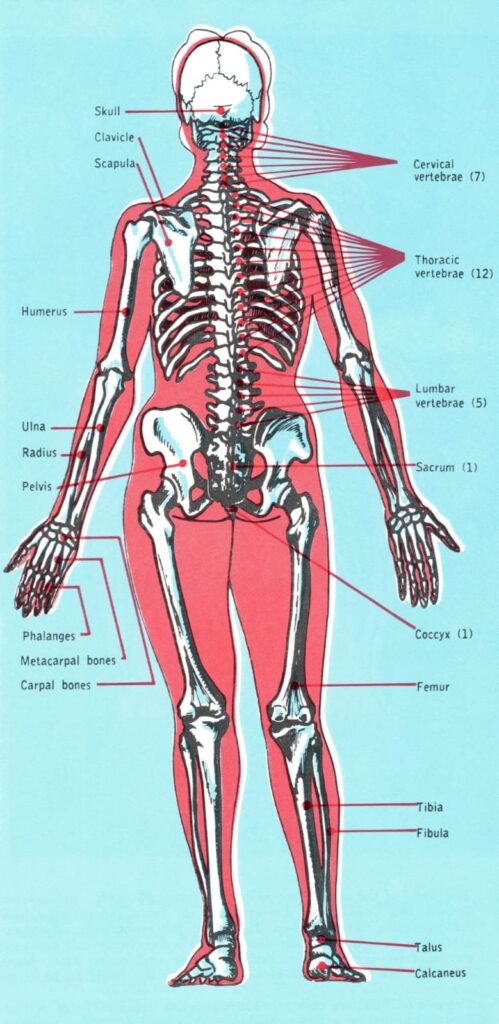
Anatomy
Anatomy is the branch of biological science that studies the physical structure of the body, including organs, tissues, and bones.
एनाटॉमी जीव विज्ञान की वह शाखा है जो शरीर की भौतिक संरचना का अध्ययन करती है, जिसमें अंग, ऊतक और हड्डियाँ शामिल हैं।
Types of Anatomy
Gross Anatomy
The study of body structures that can be seen with the naked eye, such as the heart or bones.
शरीर की उन संरचनाओं का अध्ययन जिन्हें नग्न आंखों से देखा जा सकता है, जैसे हृदय या हड्डियाँ।
Microscopic Anatomy (Histology)
The study of structures that require a microscope to be seen, such as cells and tissues.
उन संरचनाओं का अध्ययन जिन्हें देखने के लिए सूक्ष्मदर्शी (Microscope) की आवश्यकता होती है, जैसे कोशिकाएं और ऊतक।
Developmental Anatomy
The study of structural changes that occur in the body throughout the life span.
जीवन भर शरीर में होने वाले संरचनात्मक परिवर्तनों का अध्ययन।
Comparative Anatomy
The study of similarities and differences in the anatomy of different species.
विभिन्न प्रजातियों की शारीरिक रचना में समानता और अंतर का अध्ययन।
Surface Anatomy
The study of internal structures as they relate to the overlying skin surface.
आंतरिक संरचनाओं का अध्ययन क्योंकि वे ऊपर की त्वचा की सतह से संबंधित होती हैं।
Scope of Anatomy
Surgical Anatomy
It provides the essential knowledge of body structures required for performing safe and successful surgeries.
यह सुरक्षित और सफल सर्जरी करने के लिए आवश्यक शरीर की संरचनाओं का महत्वपूर्ण ज्ञान प्रदान करता है।
Clinical Anatomy
It helps health professionals understand the relationship between body structures and medical practice.
यह स्वास्थ्य पेशेवरों को शरीर की संरचनाओं और चिकित्सा अभ्यास के बीच संबंध को समझने में मदद करता है।
Radiographic Anatomy
The study of body structures using imaging techniques like X-rays, MRI, and CT scans.
एक्स-रे, एमआरआई और सीटी स्कैन जैसी इमेजिंग तकनीकों का उपयोग करके शरीर की संरचनाओं का अध्ययन।
Pathological Anatomy
The study of structural changes in body tissues caused by diseases.
बीमारियों के कारण शरीर के ऊतकों में होने वाले संरचनात्मक परिवर्तनों का अध्ययन।
Applied Anatomy
The practical application of anatomical knowledge for diagnosis and treatment of patients.
मरीजों के निदान और उपचार के लिए शारीरिक ज्ञान का व्यावहारिक अनुप्रयोग।
नर्सिंग स्टूडेंट्स के लिए ज़रूरी बात (Bexyhub Special):
एनाटॉमी हमें शरीर के ‘नक्शे’ (Map) के बारे में बताती है। जब आपको पता होगा कि कौन सा अंग कहाँ है, तभी आप इंजेक्शन लगाने या फिजिकल एग्जामिनेशन करने में सफल होंगे।
Important Anatomical Terminology
Superior
Toward the head or upper part of a structure.
शरीर के ऊपरी हिस्से या सिर की ओर।
Inferior
Away from the head or toward the lower part of a structure.
सिर से दूर या शरीर के निचले हिस्से की ओर।
Anterior (Ventral)
Toward or at the front of the body.
शरीर के सामने या आगे वाले हिस्से की ओर।
Posterior (Dorsal)
Toward or at the back of the body.
शरीर के पीछे वाले हिस्से की ओर।
Medial
Toward or at the midline of the body.
शरीर की मध्य रेखा (सेंटर) की ओर।
Lateral
Away from the midline of the body.
शरीर की मध्य रेखा से दूर या बगल की ओर।
Question 1. Which branch of science specifically deals with the study of the physical structure of the human body?
A) Physiology
B) Anatomy
C) Biochemistry
D) Microbiology
Answer: B) Anatomy
Rationale: Anatomy is the biological science dedicated to identifying and describing the structures of living things.
Question 2. The study of body structures that can be seen without the use of a microscope is called:
A) Gross Anatomy
B) Histology
C) Cytology
D) Embryology
Answer: A) Gross Anatomy
Rationale: Gross anatomy (macroscopic anatomy) involves examining relatively large structures like organs and bones with the naked eye.
Question 3. Which sub-division of anatomy examines the structural changes that occur throughout a person’s life?
A) Surface Anatomy
B) Systemic Anatomy
C) Developmental Anatomy
D) Regional Anatomy
Answer: C) Developmental Anatomy
Rationale: Developmental anatomy tracks how body structures change and grow from conception through adulthood and old age.
Question 4. In anatomical terminology, the term ‘Superior’ refers to a structure that is:
A) Toward the feet
B) Toward the head
C) Toward the back
D) Toward the midline
Answer: B) Toward the head
Rationale: Superior means situated above or higher than another part, typically moving toward the head.
Question 5. Which branch of anatomy uses imaging techniques like X-rays and MRI to study internal structures?
A) Pathological Anatomy
B) Radiographic Anatomy
C) Surgical Anatomy
D) Comparative Anatomy
Answer: B) Radiographic Anatomy
Rationale: Radiographic anatomy utilizes medical imaging to visualize internal body parts for clinical diagnosis.
Question 6. A structure located toward the front of the body is described as:
A) Posterior
B) Anterior
C) Lateral
D) Distal
Answer: B) Anterior
Rationale: Anterior, also known as ventral, refers to the front side of the body.
Question 7. Which scope of anatomy is most concerned with the application of anatomical knowledge in clinical practice?
A) Applied Anatomy
B) Surface Anatomy
C) Evolutionary Anatomy
D) Systemic Anatomy
Answer: A) Applied Anatomy
Rationale: Applied anatomy uses structural knowledge to diagnose and treat medical conditions in a clinical setting.
Question 8. The study of tissues using a microscope is specifically called:
A) Cytology
B) Histology
C) Gross Anatomy
D) Surface Anatomy
Answer: B) Histology
Rationale: Histology is the branch of microscopic anatomy that specifically examines the structure and arrangement of tissues.
Question 9. In anatomical position, the term ‘Medial’ means toward the:
A) Sides of the body
B) Midline of the body
C) Surface of the skin
D) Interior of the body
Answer: B) Midline of the body
Rationale: Medial describes a position toward the imaginary vertical center line of the body.
Question 10. Pathological anatomy is the study of structural changes caused by:
A) Normal aging
B) Physical exercise
C) Disease
D) Surgery
Answer: C) Disease
Rationale: Pathological anatomy examines how diseases alter the normal structure of organs and tissues.
Question 11. Which anatomical term describes a position farther from the point of attachment to the trunk?
A) Proximal
B) Distal
C) Deep
D) Superficial
Answer: B) Distal
Rationale: Distal refers to a part that is further away from the trunk or point of origin (e.g., the fingers are distal to the wrist).
Question 12. Regional anatomy involves the study of:
A) One system at a time
B) All structures in a specific area
C) Microscopic tissues only
D) Cellular functions
Answer: B) All structures in a specific area
Rationale: Regional anatomy focuses on all structures (muscles, bones, vessels) in a particular region like the head or leg.
Question 13. What is the primary focus of Surgical Anatomy?
A) Comparing animals
B) Identifying anatomical landmarks for operations
C) Studying the history of anatomy
D) Visualizing cells
Answer: B) Identifying anatomical landmarks for operations
Rationale: Surgical anatomy provides the detailed structural knowledge needed for safe surgical access and procedures.
Question 14. The term ‘Posterior’ is synonymous with which of the following?
A) Ventral
B) Dorsal
C) Cranial
D) Caudal
Answer: B) Dorsal
Rationale: Dorsal refers to the back side of the body, making it synonymous with posterior in humans.
Question 15. Systemic anatomy is the study of:
A) The entire body at once
B) The body organized by functional groups
C) External skin features
D) Fetal development
Answer: B) The body organized by functional groups
Rationale: Systemic anatomy studies groups of organs that work together to perform complex functions, such as the digestive system.
Question 16. Which term describes a structure closer to the surface of the body?
A) Deep
B) Superficial
C) Medial
D) Interior
Answer: B) Superficial
Rationale: Superficial refers to a position on or near the external surface of the body.
Question 17. Comparative anatomy is useful for understanding:
A) Cell division
B) Evolutionary relationships between species
C) Specific nursing procedures
D) X-ray interpretations
Answer: B) Evolutionary relationships between species
Rationale: By comparing structures across different species, scientists can identify common ancestors and evolutionary trends.
Question 18. The term ‘Inferior’ means a position that is:
A) Above another part
B) Below another part
C) Behind another part
D) Inside another part
Answer: B) Below another part
Rationale: Inferior means situated lower than another part of the body, toward the feet.
Question 19. Which scope of anatomy studies structural changes in tissues before birth?
A) Gerontology
B) Embryology
C) Histology
D) Gross Anatomy
Answer: B) Embryology
Rationale: Embryology focuses on the anatomical development and structural changes of an embryo from fertilization.
Question 20. In the anatomical position, the ‘Lateral’ direction is:
A) Toward the midline
B) Away from the midline
C) Toward the head
D) Toward the back
Answer: B) Away from the midline
Rationale: Lateral refers to a position toward the sides of the body, away from the center line.
Clinical Reality Paragraph
“Doston, Nursing sirf ek degree nahi, balki ek rozana ki jang hai jo hum hospital ke wards aur ICU mein ladte hain. Maine apni GNM se lekar MSc Nursing tak ki padhai aur ICU Nursing Officer ki duty ke dauran ye sikha hai ki jab patient ki halat bigadti hai, toh sirf kitabi gyan kaam nahi aata, balki aapka fast decision-making kaam aata hai. In 1500 words mein maine wahi practical barikiyaan dali hain jo maine khud bed-side nursing karte waqt anubhav ki hain. Inhe sirf exam ke liye mat padhiye, balki ek kabil nurse banne ke liye samajhiye.”
Expert Verification Paragraph (Bexyhub Brand Trust)
“Bexyhub par aap jo bhi content padhte hain, uske piche mera ek hi maksad hai: medical information ko itna saaf aur sahi rakhna ki kisi bhi nursing student ke man mein koi doubt na rahe. Maine ye 125 posts likhne mein apna wahi clinical experience joda hai jo maine ICU ward mein critical patients ki care karte huye kamaya hai. Ek MSc Nursing professional hone ke naate main har ek MCQ aur har ek line ki accuracy ki zimmedari leta hoon, kyunki aapka bhavishya inhi sahi jankariyon par tika hai.”
Student-Centric Mission (Straight Talk)
“Jab main khud nursing ka student tha, toh mujhe hamesha aise notes ki talash rehti thi jo simple ho lekin unmein expert level ki jankari ho. Aaj ek Nursing Officer hone ke nate, main wahi gap bharne ki koshish kar raha hoon. In notes mein maine un technical points ko highlight kiya hai jo aksar AIIMS ya State PSC exams mein puche jate hain. Ye content meri saalo ki research aur hospital duty ka nichod hai. Agar aapne ise dhang se samajh liya, toh exam hall mein aapka confidence alag hi level par hoga.”
यह पोस्ट केवल शैक्षिक उद्देश्यों (Educational Purposes) के लिए साझा की गई है। यहाँ दी गई जानकारी मेरे नर्सिंग अनुभव और अध्ययन पर आधारित है। यदि आपको किसी जानकारी पर संदेह है या कोई शिकायत है, तो कृपया कमेंट बॉक्स में बताएं या हमसे संपर्क करें। किसी भी चिकित्सीय निर्णय के लिए पेशेवर डॉक्टर की सलाह अवश्य लें।
Our Specialized Health Education Portal:
Visit Care.Bexyhub.in →